

Hey there! I'm a supplier of Blow Molding 9002 - 88 - 4. In this blog, I'll share with you the requirements for mold maintenance in Blow Molding 9002 - 88 - 4.
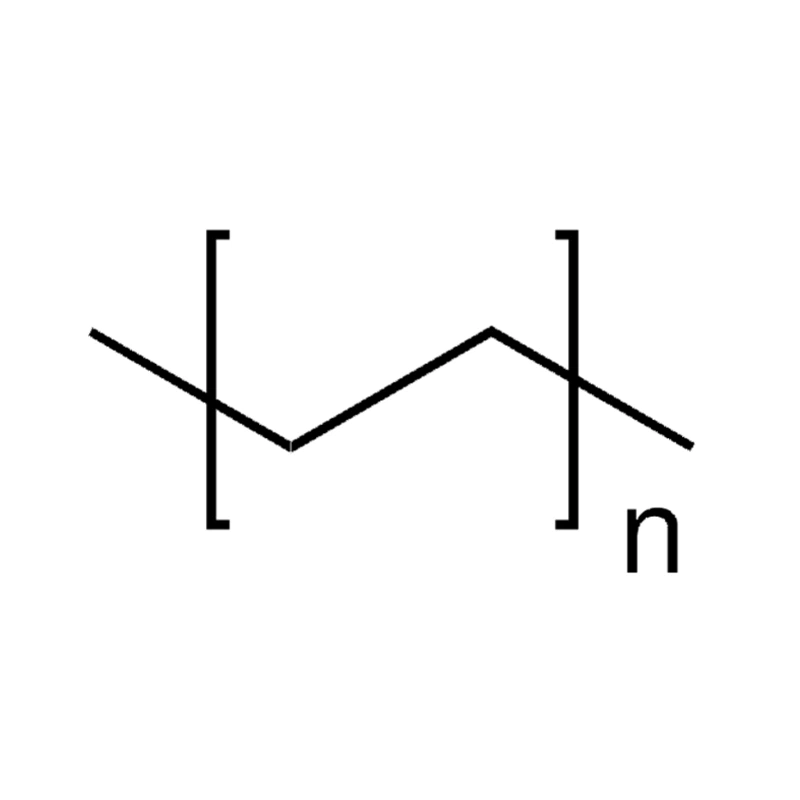

First off, let's understand what Blow Molding 9002 - 88 - 4 is. It's a specific type of material used in blow molding processes. If you're interested in other applications of this material, you can check out Film 9002 - 88 - 4, Injection Molding(ES Fiber)9002 - 88 - 4, and Pipe 9002 - 88 - 4.
Now, let's dive into the mold maintenance requirements.
Regular Cleaning
One of the most basic yet crucial requirements is regular cleaning of the molds. During the blow molding process, residues from the Blow Molding 9002 - 88 - 4 material can build up on the mold surface. This residue can affect the quality of the final product, causing defects like uneven surfaces or poor finish.
To clean the molds, you should use appropriate cleaning agents. Make sure the cleaning agents are compatible with the mold material and the Blow Molding 9002 - 88 - 4. Avoid using abrasive cleaners that could scratch the mold surface. A soft brush or cloth can be used to gently remove the residues.
It's recommended to clean the molds after a certain number of production cycles. The exact number depends on the production volume and the nature of the Blow Molding 9002 - 88 - 4 material. For high - volume production, cleaning might be required more frequently, maybe after every few hundred cycles.
Inspection for Wear and Tear
Molds in blow molding are subject to a lot of stress during the production process. Over time, they can experience wear and tear. You need to conduct regular inspections to identify any signs of damage.
Look for cracks, chips, or excessive wear on the mold surface. Cracks can lead to leaks during the blow molding process, which will affect the product's integrity. Chips can cause irregularities in the final product. If you notice any of these issues, it's important to address them immediately.
For minor wear, you might be able to repair the mold by filling in small chips or smoothing out rough areas. However, for more severe damage, you may need to replace the mold. It's a good idea to have a spare mold on hand to minimize production downtime.
Lubrication
Proper lubrication is essential for the smooth operation of the molds. Lubricants reduce friction between the moving parts of the mold, which helps to prevent excessive wear and tear.
Choose a lubricant that is suitable for the blow molding environment and the materials involved. Apply the lubricant to the appropriate areas of the mold, such as the sliding surfaces and the hinges. Make sure to follow the manufacturer's recommendations regarding the type and frequency of lubrication.
Too much lubricant can also be a problem as it can attract dust and debris, which can then cause damage to the mold. So, apply the lubricant in the right amount.
Temperature Control
Maintaining the right temperature is critical for both the Blow Molding 9002 - 88 - 4 material and the mold. The mold needs to be at an appropriate temperature to ensure proper forming of the material.
During the production process, the mold can heat up due to the friction and the heat from the molten Blow Molding 9002 - 88 - 4. You need to have a temperature control system in place to keep the mold temperature within the specified range.
If the mold gets too hot, it can cause the material to over - heat and degrade, resulting in poor - quality products. On the other hand, if the mold is too cold, the material may not flow properly, leading to incomplete filling of the mold.
Storage
When the molds are not in use, proper storage is necessary. Store the molds in a clean, dry environment. Moisture can cause rust and corrosion on the mold surface, which will damage the mold and affect the product quality.
Cover the molds to protect them from dust and debris. You can also use a rust - preventive coating on the mold surface to further protect it during storage.
Record - Keeping
It's a good practice to keep records of the mold maintenance activities. This includes details such as the date of cleaning, inspection results, lubrication, and any repairs or replacements.
By keeping records, you can track the history of the mold's performance and maintenance. This information can be useful for predicting when the next maintenance is due and for identifying any recurring problems.
In conclusion, proper mold maintenance in Blow Molding 9002 - 88 - 4 is essential for ensuring high - quality products and efficient production. By following these requirements, you can extend the lifespan of your molds and reduce production costs.
If you're interested in purchasing Blow Molding 9002 - 88 - 4 or have any questions about mold maintenance, feel free to reach out for a procurement discussion.
References:
- General knowledge of blow molding processes and mold maintenance.
- Product specifications of Blow Molding 9002 - 88 - 4.