

Hey there! As a supplier of acrylic acid, I've got a lot to share about the possible impurities you might find in commercial acrylic acid. Let's dive right in.
First off, what is acrylic acid? It's a colorless liquid with a sharp, pungent odor. It's a key building block in the chemical industry, used in everything from superabsorbent polymers in diapers to coatings and adhesives. But like any chemical product, commercial acrylic acid isn't always 100% pure. There can be a number of impurities that sneak in during the production process or storage.
One of the most common impurities in acrylic acid is acetic acid. Acetic acid is a by - product in some of the production methods of acrylic acid. When propylene is oxidized to make acrylic acid, acetic acid can be formed as a side reaction. This happens because the oxidation process isn't 100% selective. The catalysts used to convert propylene to acrylic acid can also promote the formation of acetic acid. In small amounts, acetic acid might not be a huge problem, but if the levels are too high, it can affect the quality of the final product made from acrylic acid. For example, in coatings applications, high levels of acetic acid can cause issues with the drying time and the adhesion of the coating.
Another impurity is propionic acid. Similar to acetic acid, propionic acid can be formed as a by - product during the oxidation of propylene. The reaction conditions, such as temperature, pressure, and the presence of certain impurities in the feedstock, can influence the amount of propionic acid produced. Propionic acid can have an impact on the chemical and physical properties of acrylic acid - based products. It can change the reactivity of the acrylic acid in polymerization reactions, leading to polymers with different molecular weights and properties.

Furfural is also a possible impurity. Furfural can be present in the raw materials used to produce acrylic acid or can be formed during the high - temperature processes involved in its production. Furfural has a distinct odor and can cause discoloration in the acrylic acid. In applications where color is important, like in clear coatings or some cosmetic products, the presence of furfural can be a major drawback. It can also react with other components in the acrylic acid system, potentially leading to the formation of unwanted by - products.
Maleic anhydride is another impurity that we need to watch out for. It can be formed during the oxidation of propylene or other feedstocks. Maleic anhydride is a reactive compound and can participate in side reactions with acrylic acid. This can lead to the formation of polymers or oligomers that are different from the desired product. In addition, maleic anhydride can be corrosive, which can cause problems with the storage and handling equipment of acrylic acid.
Now, let's talk about how these impurities can affect the end - use of acrylic acid. In the production of superabsorbent polymers, which are widely used in the hygiene industry, impurities can reduce the absorbency of the polymers. The presence of acetic acid or propionic acid can interfere with the cross - linking reactions that are crucial for the formation of a three - dimensional network in the superabsorbent polymer. This network is what allows the polymer to absorb and hold large amounts of liquid.
In the coatings industry, impurities can affect the appearance and performance of the coatings. As I mentioned earlier, furfural can cause discoloration, and other impurities can affect the drying time, hardness, and adhesion of the coating. In adhesives, impurities can reduce the bonding strength, making the adhesive less effective.
At our company, we take great care to minimize these impurities in our commercial acrylic acid. We use advanced production techniques and strict quality control measures. We have a team of experts who monitor the production process closely to ensure that the levels of impurities are within acceptable limits.
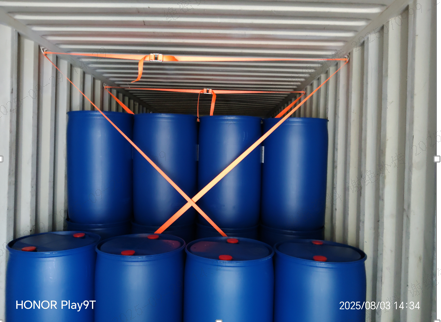
If you're in the market for high - quality acrylic acid, we've got some great options for you. Check out our Glacial Acrylic Acid 79 - 10 - 7, which is known for its purity and excellent performance. We also offer Acrylic Acid For 40GP and Acrylic Acid For 40GP With Drums And Pallets, which are convenient for large - scale transportation and storage.
We understand the importance of having a reliable supply of pure acrylic acid for your business. Whether you're a small - scale manufacturer or a large - scale industrial company, we can work with you to meet your specific needs. If you're interested in learning more about our products or have any questions about the possible impurities in acrylic acid, don't hesitate to reach out. We're here to help you make the best choice for your applications.
In conclusion, while there are several possible impurities in commercial acrylic acid, with proper production and quality control, we can provide you with a product that meets your high standards. So, let's start a conversation and see how we can work together to take your business to the next level.
References
- Kirk - Othmer Encyclopedia of Chemical Technology
- Ullmann's Encyclopedia of Industrial Chemistry