

Hey there! As a polyethylene supplier, I often get asked about what the molecular structure of polyethylene is. So, let's dive right into it and break down this fascinating topic.
Polyethylene, often abbreviated as PE, is one of the most common plastics out there. It's used in a wide range of products, from plastic bags to industrial pipes. But what makes it so special starts at the molecular level.
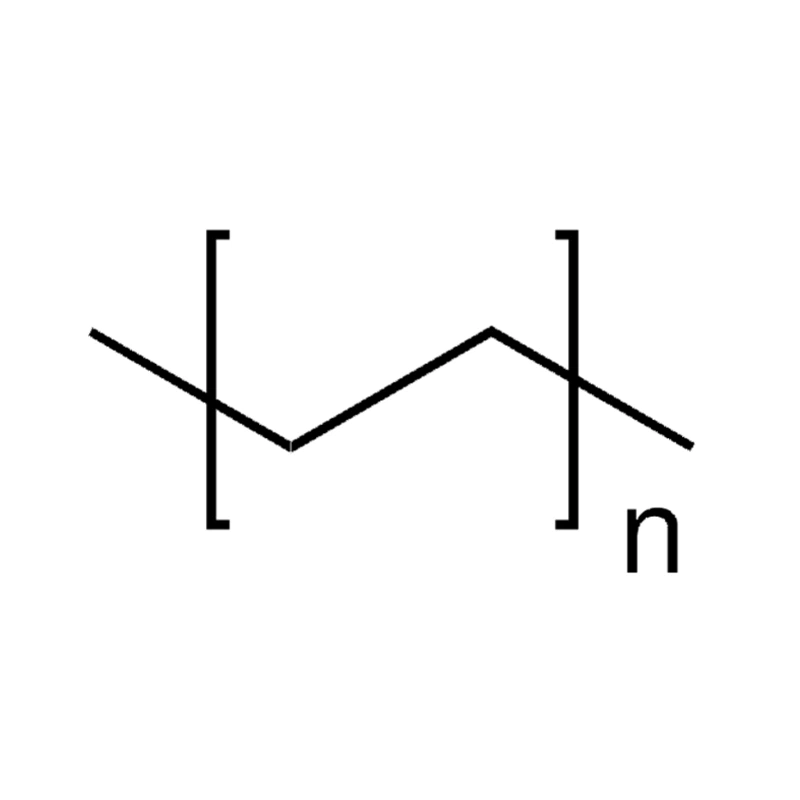
At its core, polyethylene is made up of repeating units called monomers. The monomer for polyethylene is ethylene, which has the chemical formula C₂H₄. Ethylene is a simple hydrocarbon with a double bond between the two carbon atoms. When ethylene molecules undergo a process called polymerization, the double bond breaks, and the carbon atoms link up to form long chains.
These long chains are the key to polyethylene's properties. In a polyethylene molecule, you've got a backbone of carbon atoms, with hydrogen atoms attached to each carbon. Picture it like a long string of pearls, where the carbon atoms are the pearls and the hydrogen atoms are little beads hanging off each pearl.
There are different types of polyethylene, and their molecular structures vary a bit. The two main types are high - density polyethylene (HDPE) and low - density polyethylene (LDPE).
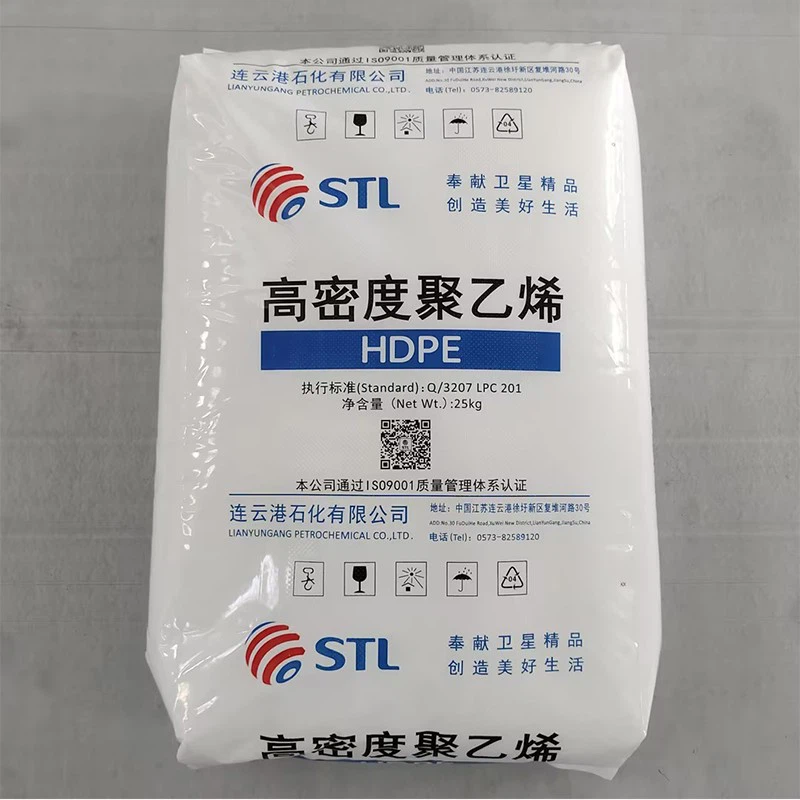
HDPE has a more linear molecular structure. The carbon chains in HDPE are pretty straight and packed closely together. This close packing gives HDPE its high density and makes it strong and rigid. It's used in things like milk jugs, pipes, and plastic lumber. Because the chains are so close, they can form strong intermolecular forces, which contribute to its durability.
On the other hand, LDPE has a more branched molecular structure. The carbon chains have short branches sticking out from the main chain. These branches prevent the chains from packing as tightly as in HDPE. As a result, LDPE is less dense, more flexible, and has a lower melting point. You'll find LDPE in products like plastic bags, squeezable bottles, and plastic wraps.
Another type is linear low - density polyethylene (LLDPE). It combines some of the features of both HDPE and LDPE. LLDPE has a linear backbone with short branches, but the branches are more uniformly distributed compared to LDPE. This gives LLDPE good strength and flexibility, making it suitable for applications like stretch films and flexible tubing.
The molecular structure of polyethylene also affects its physical and chemical properties. For example, the longer the carbon chains, the higher the melting point and the greater the strength of the polyethylene. The degree of branching affects the density, flexibility, and transparency of the material.
When it comes to our products, we offer a variety of polyethylene grades to meet different customer needs. For instance, if you're looking for a material for filaments, check out Filament 9002 - 88 - 4. This grade is carefully formulated to have the right molecular structure for making high - quality filaments.
If you're in the business of making films, our Film 9002 - 88 - 4 is a great choice. The molecular structure of this polyethylene grade allows for excellent film - forming properties, such as good clarity and strength.
And for blow - molding applications, our Blow Molding 9002 - 88 - 4 is designed to have the perfect balance of melt flow and strength. The molecular structure ensures that the material can be easily molded into the desired shape while maintaining its integrity.
Understanding the molecular structure of polyethylene is crucial for choosing the right grade for your specific application. Whether you're a small - scale manufacturer or a large industrial company, getting the right polyethylene can make a big difference in the quality of your end - product.
If you're interested in learning more about our polyethylene products or have questions about which grade is best for you, don't hesitate to reach out. We're here to help you find the perfect polyethylene solution for your needs. We can provide samples, technical data, and all the support you need to make an informed decision.
So, if you're in the market for polyethylene, contact us for a friendly chat about your requirements. We'll work with you to ensure you get the best product at a competitive price.
References
- "Introduction to Polymers" by Young and Lovell
- "Polymer Chemistry: An Introduction" by M. P. Stevens