

In the field of plastic manufacturing, blow molding is a widely used process for creating hollow plastic products. The Blow Molding 9002 - 88 - 4 is a remarkable polyethylene resin that offers excellent properties for various blow - molding applications. As a supplier of Blow Molding 9002 - 88 - 4, I am well - versed in its characteristics and the crucial role of the clamping system in the blow - molding process.
Understanding Blow Molding with 9002 - 88 - 4
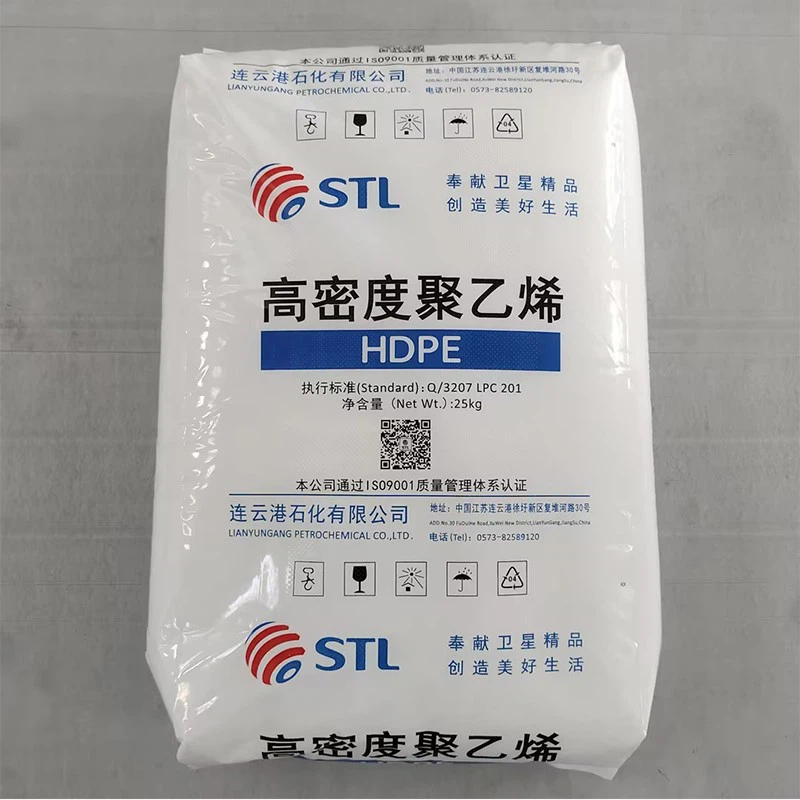
Blow Molding 9002 - 88 - 4 is a high - performance polyethylene resin known for its good processability, high strength, and excellent environmental stress crack resistance. It can be used to produce a wide range of products, from small containers to large industrial drums. You can learn more about this product by visiting Blow Molding 9002 - 88 - 4.
The blow - molding process typically involves three main steps: extrusion, parison formation, and blowing. First, the plastic resin, in this case, Blow Molding 9002 - 88 - 4, is melted and extruded through a die to form a tubular parison. Then, the parison is placed between two mold halves, and the mold is closed. Finally, compressed air is blown into the parison, forcing it to expand and take the shape of the mold cavity.
The Role of the Clamping System
The clamping system is an integral part of the blow - molding machine. Its primary function is to hold the mold halves together during the blowing process with sufficient force to prevent the plastic from leaking out. This is essential for ensuring the quality and integrity of the final product.
1. Force Application
The clamping system generates a clamping force that is applied to the mold. The magnitude of this force depends on several factors, such as the size and shape of the mold, the pressure of the blowing air, and the viscosity of the plastic melt. For Blow Molding 9002 - 88 - 4, which has specific flow properties, the clamping force needs to be carefully calibrated to ensure proper mold closure. If the clamping force is too low, the plastic may escape from the mold, resulting in flash or incomplete parts. On the other hand, if the clamping force is too high, it may damage the mold or cause excessive wear on the clamping components.
2. Mold Alignment
Another important function of the clamping system is to ensure accurate alignment of the mold halves. Precise alignment is crucial for producing parts with consistent dimensions and quality. Misaligned molds can lead to uneven wall thickness, poor part appearance, and even mold damage. The clamping system uses guide pins, bushings, and other alignment mechanisms to ensure that the mold halves are perfectly aligned before and during the clamping process.
3. Cycle Time Control
The clamping system also plays a role in controlling the cycle time of the blow - molding process. The time taken to open and close the mold is an important part of the overall cycle time. A well - designed clamping system can open and close the mold quickly and smoothly, reducing the cycle time and increasing the production efficiency. This is particularly important when using Blow Molding 9002 - 88 - 4, as it allows for higher production volumes and better cost - effectiveness.
Types of Clamping Systems
There are several types of clamping systems used in blow - molding machines, each with its own advantages and disadvantages.
1. Hydraulic Clamping Systems
Hydraulic clamping systems are the most commonly used type in blow - molding machines. They use hydraulic cylinders to generate the clamping force. Hydraulic systems offer high clamping forces and are capable of precise control. They can also be easily adjusted to accommodate different mold sizes and shapes. However, hydraulic systems require regular maintenance, and they can be relatively expensive to operate due to the energy consumption of the hydraulic pumps.
2. Mechanical Clamping Systems
Mechanical clamping systems use mechanical linkages, such as toggle mechanisms, to generate the clamping force. These systems are simple in design and have a relatively low cost. They are also known for their fast cycle times. However, mechanical clamping systems may have limitations in terms of the maximum clamping force they can generate, and they may require more frequent adjustments to maintain proper alignment.
3. Hybrid Clamping Systems
Hybrid clamping systems combine the advantages of hydraulic and mechanical systems. They typically use a hydraulic system for the initial mold closing and a mechanical system for the final clamping. This type of system can provide high clamping forces, fast cycle times, and precise control. Hybrid clamping systems are becoming increasingly popular in the blow - molding industry, especially for applications using high - performance resins like Blow Molding 9002 - 88 - 4.
Impact on Product Quality
The proper functioning of the clamping system has a direct impact on the quality of the blow - molded products made from Blow Molding 9002 - 88 - 4.
1. Wall Thickness Uniformity
A well - functioning clamping system ensures that the mold is closed evenly, which helps to achieve uniform wall thickness in the final product. Uniform wall thickness is important for the strength and durability of the product. For example, in the production of plastic containers, uneven wall thickness can lead to weak spots that may cause the container to rupture under pressure.

2. Surface Finish
The clamping system also affects the surface finish of the product. A properly clamped mold prevents the plastic from escaping and forming flash, which can improve the appearance of the product. Additionally, accurate mold alignment ensures that the surface of the product is smooth and free of defects.
3. Part Consistency
Consistency is key in mass production. A reliable clamping system ensures that each part produced has the same dimensions, shape, and quality. This is essential for meeting the specifications of customers and for ensuring the interchangeability of parts.
Applications in Different Industries
Blow Molding 9002 - 88 - 4, with the support of an effective clamping system, is used in a variety of industries.
1. Packaging Industry
In the packaging industry, Blow Molding 9002 - 88 - 4 is used to produce bottles, jars, and other containers. The clamping system ensures that these containers are produced with consistent quality, which is crucial for protecting the contents and maintaining the brand image. You can find more information about related products like Film 9002 - 88 - 4 which may also be used in packaging applications.
2. Automotive Industry
The automotive industry uses blow - molded parts made from Blow Molding 9002 - 88 - 4 for various applications, such as air ducts, fuel tanks, and coolant reservoirs. The clamping system helps to produce these parts with high precision and strength, ensuring their reliability and performance in the automotive environment.
3. Industrial Applications
In industrial applications, Blow Molding 9002 - 88 - 4 is used to manufacture large - scale containers, drums, and other industrial products. The clamping system is essential for producing these large parts with consistent quality and integrity. For related filament products, you can visit Filament 9002 - 88 - 4.
Conclusion
In conclusion, the clamping system is a vital component in the blow - molding process when using Blow Molding 9002 - 88 - 4. Its functions of force application, mold alignment, and cycle time control are essential for ensuring the quality, consistency, and efficiency of the production process. Whether you are in the packaging, automotive, or industrial sector, a well - designed clamping system can significantly improve the performance of your blow - molding operations.
If you are interested in purchasing Blow Molding 9002 - 88 - 4 or have any questions about its application in blow - molding, please feel free to contact us for a procurement discussion. We are committed to providing high - quality products and excellent service to meet your needs.
References
- Modern Plastics Encyclopedia/89. McGraw - Hill, 1988.
- Blow Molding Handbook. J. L. Throne, Hanser Publishers, 1996.
- Plastics Processing Data Handbook. J. L. Throne, Hanser Publishers, 2003.