

As a supplier of Blow Molding 9002 - 88 - 4 products, I am well - versed in the various aspects of these items, including their surface treatment methods. In this blog, I will delve into the different surface treatment techniques that can be applied to Blow Molding 9002 - 88 - 4 products, discussing their benefits, applications, and considerations.
1. Introduction to Blow Molding 9002 - 88 - 4
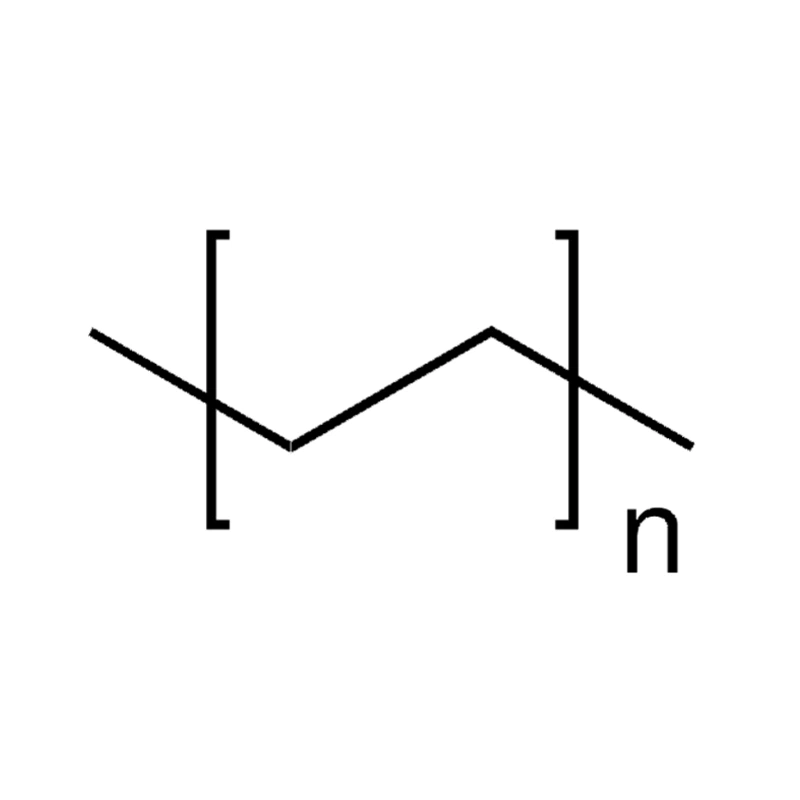
Blow Molding 9002 - 88 - 4 is a high - performance material used in a wide range of industries. You can find more information about it on our official page Blow Molding 9002 - 88 - 4. This material is known for its excellent mechanical properties, such as high strength, good flexibility, and chemical resistance. However, to meet the specific requirements of different applications, surface treatment is often necessary.
2. Surface Treatment Methods
2.1 Painting
Painting is one of the most common surface treatment methods for Blow Molding 9002 - 88 - 4 products. It can enhance the aesthetic appearance of the products, providing a wide range of colors and finishes. Moreover, paint can also offer protection against environmental factors, such as UV radiation, moisture, and chemical corrosion.
Before painting, the surface of the Blow Molding 9002 - 88 - 4 product needs to be properly prepared. This usually involves cleaning the surface to remove any dirt, grease, or mold release agents. Sanding can also be done to improve the adhesion of the paint. Once the surface is prepared, a primer can be applied, followed by the topcoat. The choice of paint depends on the application requirements, such as durability, gloss level, and chemical resistance.
For example, in the automotive industry, painted Blow Molding 9002 - 88 - 4 parts can match the color of the vehicle body, improving the overall appearance. In the consumer goods industry, painted products can attract more customers with their vivid colors.
2.2 Printing
Printing on Blow Molding 9002 - 88 - 4 products is another important surface treatment method. It can be used to add logos, labels, instructions, or decorative patterns to the products. There are several printing techniques available, including screen printing, digital printing, and pad printing.
Screen printing is a traditional method that is suitable for large - scale production. It can produce high - quality prints with good color saturation. Digital printing, on the other hand, offers more flexibility, allowing for quick changes in design and small - batch production. Pad printing is often used for printing on irregular surfaces.
Printing on Blow Molding 9002 - 88 - 4 products can increase brand recognition and product differentiation. For instance, in the packaging industry, printed product information can help consumers make informed purchasing decisions. You can learn more about related polyethylene products like Film 9002 - 88 - 4 which may also use similar printing techniques for branding.
2.3 Coating
Coating is a surface treatment method that can improve the performance of Blow Molding 9002 - 88 - 4 products. There are different types of coatings, such as anti - static coatings, anti - scratch coatings, and anti - fog coatings.
Anti - static coatings are used to prevent the accumulation of static electricity on the surface of the products. This is especially important in industries where static electricity can cause problems, such as the electronics industry. Anti - scratch coatings can enhance the surface hardness of the products, protecting them from scratches and abrasion during handling and use. Anti - fog coatings are commonly used in products that are exposed to moisture, such as automotive windows and bathroom accessories.
The application of coatings usually involves spraying, dipping, or rolling. The coating material should be compatible with the Blow Molding 9002 - 88 - 4 material to ensure good adhesion and performance.
2.4 Surface Texturing
Surface texturing can change the surface appearance and feel of Blow Molding 9002 - 88 - 4 products. It can create a matte, glossy, or textured finish, which can improve the grip, reduce glare, or enhance the visual appeal.
There are several methods for surface texturing, including mechanical texturing, chemical texturing, and laser texturing. Mechanical texturing involves using tools, such as sandpaper or abrasive wheels, to create a rough surface. Chemical texturing uses chemicals to etch the surface, creating a specific pattern. Laser texturing is a precise method that can create complex patterns with high accuracy.
In the furniture industry, surface - textured Blow Molding 9002 - 88 - 4 parts can provide a more comfortable grip. In the architectural industry, textured surfaces can add a unique aesthetic to building components.
2.5 Plasma Treatment
Plasma treatment is a relatively new surface treatment method for Blow Molding 9002 - 88 - 4 products. It can modify the surface properties of the material, such as increasing the surface energy, improving the adhesion of coatings and inks, and enhancing the wettability.
During plasma treatment, the surface of the product is exposed to a plasma environment, which contains high - energy ions, electrons, and radicals. These particles can break the chemical bonds on the surface, creating reactive sites. As a result, the surface becomes more receptive to subsequent treatments, such as painting or printing.

Plasma treatment is a clean and environmentally friendly method, as it does not use any chemicals. It is also a fast process, which can be easily integrated into the production line.
3. Considerations for Surface Treatment
When choosing a surface treatment method for Blow Molding 9002 - 88 - 4 products, several factors need to be considered.
3.1 Cost
The cost of surface treatment includes the cost of materials, equipment, labor, and energy. Different treatment methods have different cost structures. For example, painting may require a large amount of paint and labor for surface preparation and application, while plasma treatment may require expensive equipment. Therefore, the cost - effectiveness of the treatment method should be evaluated based on the production volume and the specific requirements of the products.
3.2 Compatibility
The surface treatment method should be compatible with the Blow Molding 9002 - 88 - 4 material. Some treatments may cause chemical reactions with the material, leading to degradation or poor adhesion. It is important to test the compatibility of the treatment method and the material before large - scale production.
3.3 Environmental Impact
With the increasing emphasis on environmental protection, the environmental impact of surface treatment methods should also be considered. Some traditional methods, such as painting with solvent - based paints, may release volatile organic compounds (VOCs) into the environment. Therefore, more environmentally friendly methods, such as water - based painting or plasma treatment, are preferred.
3.4 Application Requirements
The specific requirements of the application, such as the end - use environment, the expected service life, and the aesthetic requirements, should also be taken into account. For example, products used in outdoor environments may require more durable surface treatments to resist UV radiation and weathering.
4. Conclusion and Call to Action
In conclusion, there are various surface treatment methods available for Blow Molding 9002 - 88 - 4 products, each with its own advantages and considerations. By choosing the appropriate surface treatment method, we can enhance the performance, appearance, and functionality of the products, meeting the diverse needs of different industries.
If you are interested in our Blow Molding 9002 - 88 - 4 products or have specific surface treatment requirements, please feel free to contact us for procurement and further discussion. We are committed to providing high - quality products and professional solutions to our customers. You can also explore related products like Filament 9002 - 88 - 4 on our website.
References
- "Plastic Surface Treatment Technology" by John Doe
- "Handbook of Polymer Coatings and Finishes" by Jane Smith
- Industry reports on Blow Molding 9002 - 88 - 4 applications and surface treatments.