

Blow molding is a widely used manufacturing process for producing hollow plastic products. As a supplier of Blow Molding 9002 - 88 - 4 products, I have witnessed firsthand the importance of weld line strength in ensuring the quality and performance of these products. Weld lines, also known as knit lines, are formed when two or more melt fronts meet during the blow - molding process. The strength of these weld lines can significantly impact the overall integrity of the final product. In this blog, I will explore the various factors that affect the weld line strength of Blow Molding 9002 - 88 - 4 products.
1. Material Properties
The material used in blow molding, in this case, Blow Molding 9002 - 88 - 4, plays a crucial role in determining the weld line strength.
Molecular Structure
The molecular weight and molecular weight distribution of the polymer can have a profound effect on weld line strength. Polymers with a higher molecular weight generally have better mechanical properties, including higher weld line strength. This is because longer polymer chains can entangle more effectively at the weld line, creating a stronger bond. On the other hand, a broad molecular weight distribution can lead to inconsistent flow behavior during the molding process, which may result in weaker weld lines.
Additives
Additives such as plasticizers, antioxidants, and fillers can also influence weld line strength. Plasticizers can improve the flowability of the polymer, which may enhance the fusion of the melt fronts at the weld line. However, excessive use of plasticizers can reduce the overall mechanical strength of the product. Antioxidants help prevent the degradation of the polymer during processing, which can maintain the integrity of the weld line. Fillers, such as glass fibers or talc, can increase the stiffness and strength of the product, but they may also disrupt the flow of the polymer at the weld line, leading to reduced weld line strength if not properly dispersed.
2. Processing Conditions
The processing conditions during blow molding have a direct impact on the formation and strength of weld lines.
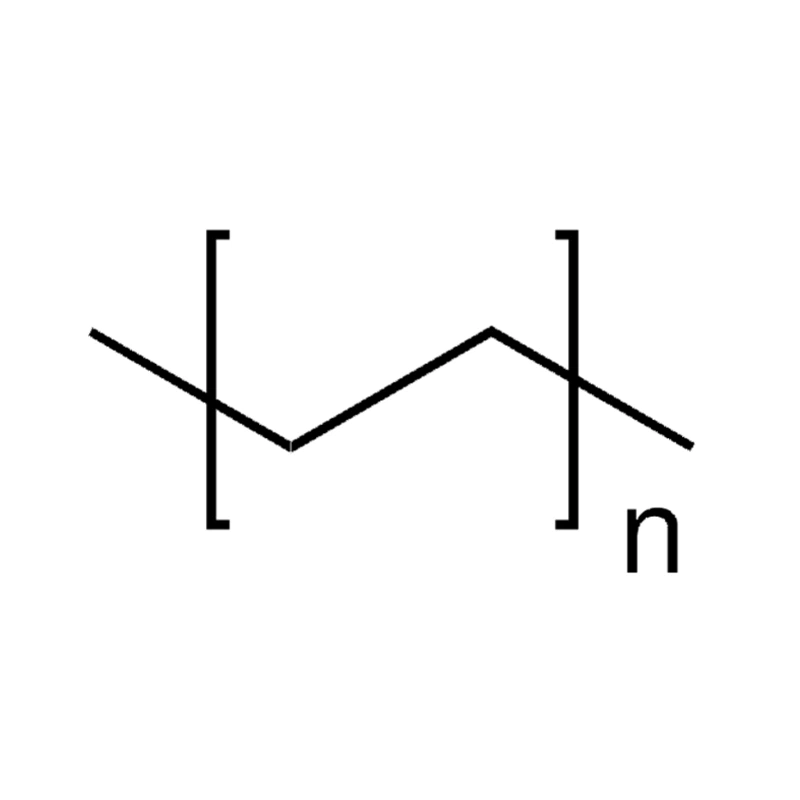
Melt Temperature
The temperature of the polymer melt is a critical factor. A higher melt temperature generally improves the flowability of the polymer, allowing the melt fronts to merge more easily at the weld line. This can result in better molecular entanglement and stronger weld lines. However, if the melt temperature is too high, it can cause thermal degradation of the polymer, which will weaken the weld line and the overall product. On the contrary, a lower melt temperature may lead to poor flow and incomplete fusion at the weld line.
Mold Temperature
The temperature of the mold also affects weld line strength. A higher mold temperature can slow down the cooling rate of the polymer, giving the melt fronts more time to merge and entangle at the weld line. This can improve the weld line strength. Conversely, a low mold temperature can cause the polymer to solidify too quickly, preventing proper fusion at the weld line.
Injection Speed
The speed at which the polymer is injected into the mold can influence the formation of weld lines. A higher injection speed can create more turbulence in the melt, which may help to mix the melt fronts more effectively at the weld line. However, if the injection speed is too high, it can cause air entrapment and other defects, which will weaken the weld line. A lower injection speed may result in incomplete filling of the mold and poor fusion at the weld line.
3. Part Design
The design of the blow - molded part can significantly affect the weld line strength.
Wall Thickness
The wall thickness of the part plays an important role. Uneven wall thickness can cause differences in the cooling rate of the polymer, which can lead to uneven shrinkage and stress concentration at the weld line. This can weaken the weld line. A more uniform wall thickness helps to ensure consistent cooling and better fusion at the weld line, resulting in higher weld line strength.

Gate Location
The location of the gate, where the polymer enters the mold, can also impact the weld line. If the gate is placed in a way that the melt fronts have to travel a long distance to meet, it can increase the likelihood of incomplete fusion at the weld line. Optimal gate location can minimize the distance the melt fronts need to travel and ensure proper merging at the weld line.
Ribs and Bosses
The presence of ribs and bosses in the part design can create additional weld lines. These features can disrupt the flow of the polymer and make it more difficult for the melt fronts to merge. Proper design and placement of ribs and bosses are necessary to minimize their negative impact on weld line strength.
4. Environmental Factors
The environment in which the blow - molded product is used can also affect the weld line strength over time.
Temperature and Humidity
Extreme temperatures and high humidity can cause the polymer to expand or contract, which can create stress at the weld line. Over time, this stress can lead to cracking and failure of the weld line. Additionally, some polymers may absorb moisture, which can plasticize the material and reduce its mechanical strength, including the weld line strength.
Chemical Exposure
Exposure to chemicals can also degrade the polymer and weaken the weld line. Some chemicals can react with the polymer, causing it to swell, dissolve, or undergo chemical changes that reduce its strength. For example, solvents can dissolve the polymer at the weld line, leading to a significant reduction in weld line strength.
As a supplier of Blow Molding 9002 - 88 - 4, I understand the importance of ensuring high weld line strength in our products. We use advanced manufacturing techniques and strict quality control measures to optimize the factors mentioned above. Our Film 9002 - 88 - 4 and Injection Molding (ES Fiber) 9002 - 88 - 4 also follow similar principles to ensure high - quality products.

If you are interested in our Blow Molding 9002 - 88 - 4 products or would like to discuss your specific requirements, we welcome you to contact us for a procurement negotiation. We are committed to providing you with the best products and services to meet your needs.

References
- Beaumont, J. P. (2003). Injection Molding Troubleshooting: A Practical Guide. Hanser Gardner Publications.
- Rosato, D. V., & Rosato, D. V. (2000). Injection Molding Handbook. Kluwer Academic Publishers.
- Strong, A. B. (2008). Plastics: Materials and Processing. Pearson Prentice Hall.