

What are the challenges in the large - scale production of acrylic acid?
As a supplier of acrylic acid, I've witnessed firsthand the numerous challenges that come with large - scale production. Acrylic acid is a vital chemical with a wide range of applications, from coatings and adhesives to superabsorbent polymers used in diapers. However, producing it on a large scale is no easy feat.
Raw Material Supply and Cost
One of the primary challenges in large - scale acrylic acid production is the reliable supply of raw materials. Acrylic acid is typically produced through the oxidation of propylene. Propylene is a petrochemical, and its availability is closely tied to the oil and gas industry. Fluctuations in the global oil market can lead to significant price variations and supply disruptions.
For instance, geopolitical tensions in major oil - producing regions can cause sudden spikes in the price of propylene. When the cost of raw materials increases, it directly impacts the production cost of acrylic acid. As a supplier, we need to constantly monitor the market and secure long - term supply contracts to mitigate these risks. But even with contracts in place, unexpected events can still disrupt the supply chain.
Moreover, the quality of propylene also matters. Impurities in the raw material can affect the efficiency of the oxidation process and the quality of the final acrylic acid product. Ensuring a consistent supply of high - quality propylene is a continuous challenge in large - scale production.
Production Process Complexity
The production of acrylic acid involves a complex multi - step oxidation process. First, propylene is oxidized to acrolein, and then acrolein is further oxidized to acrylic acid. Each step requires precise control of reaction conditions, including temperature, pressure, and the presence of catalysts.

Maintaining the optimal reaction conditions is crucial for achieving high yields and product quality. Any deviation from the ideal conditions can lead to lower conversion rates, the formation of unwanted by - products, and increased energy consumption. For example, if the temperature is too high during the oxidation of acrolein to acrylic acid, side reactions may occur, reducing the purity of the final product.
The catalysts used in the oxidation process are also a critical factor. These catalysts are often expensive and require careful handling and regeneration. Over time, the activity of the catalysts can decline, leading to reduced production efficiency. Replacing or regenerating the catalysts adds to the production cost and can cause production downtime.
Environmental and Safety Regulations
Large - scale acrylic acid production is subject to strict environmental and safety regulations. Acrylic acid is a corrosive and flammable substance, and its production involves the handling of hazardous chemicals such as propylene and oxygen. Ensuring the safety of workers and the surrounding environment is of utmost importance.
We need to invest in advanced safety equipment and training programs to prevent accidents. For example, proper ventilation systems are required to prevent the accumulation of flammable vapors in the production area. Additionally, emergency response plans must be in place to handle potential spills or leaks.
From an environmental perspective, the production process generates waste products and emissions. These include waste water containing organic compounds and exhaust gases with pollutants. Meeting the environmental standards for waste treatment and emission control requires significant investment in pollution control technologies. For instance, waste water treatment plants need to be installed to remove organic contaminants before discharging the water.
Quality Control
Maintaining consistent product quality is a major challenge in large - scale acrylic acid production. Customers have specific requirements for the purity, acidity, and other properties of acrylic acid. Any variation in the product quality can lead to customer dissatisfaction and potential loss of business.
We have established a comprehensive quality control system that includes in - process monitoring and final product testing. However, ensuring the accuracy and reliability of the testing methods is not always easy. Different batches of acrylic acid may have slight variations due to factors such as raw material quality and production conditions. Adjusting the production process in real - time based on the quality control results is a complex task.
Market Competition
The acrylic acid market is highly competitive. There are many suppliers in the global market, and customers are always looking for the best quality products at the most competitive prices. As a supplier, we need to constantly improve our production efficiency to reduce costs while maintaining high - quality products.
Innovation is also crucial in staying ahead of the competition. Developing new production technologies or improving existing ones can give us a competitive edge. For example, some companies are researching more efficient catalysts or alternative production routes to reduce the production cost and environmental impact.
Logistics and Storage
Once the acrylic acid is produced, we need to transport and store it safely. Acrylic acid is a hazardous material, and its transportation is subject to strict regulations. We need to use specialized containers and transportation vehicles to ensure the safety of the product during transit.
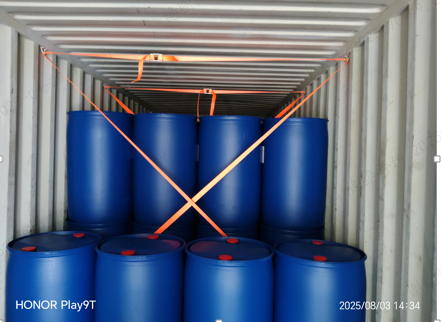
For large - scale production, we offer different packaging options such as Acrylic Acid For 20GP With Drums And Pallets, Acrylic Acid (AA) 79 - 10 - 7, and Acrylic Acid For Isotank. Each option has its own advantages and challenges in terms of storage and transportation.
Storage is also a critical issue. Acrylic acid needs to be stored in a cool, dry place away from sources of heat and ignition. Over time, acrylic acid can polymerize, especially if the storage conditions are not optimal. This can lead to the formation of solid polymers in the storage tanks, which can clog the pipes and equipment.
Conclusion
In conclusion, large - scale acrylic acid production faces numerous challenges, including raw material supply and cost, production process complexity, environmental and safety regulations, quality control, market competition, and logistics and storage. As a supplier, we are constantly working to overcome these challenges to ensure a reliable supply of high - quality acrylic acid to our customers.
If you are interested in purchasing acrylic acid, we invite you to contact us for further discussion. We are committed to providing you with the best products and services tailored to your specific needs.
References
- Smith, J. (2018). Chemical Engineering in Acrylic Acid Production. New York: Chemical Press.
- Johnson, A. (2020). Environmental and Safety Aspects of Chemical Production. London: Green Publishing.
- Brown, C. (2019). Market Trends in the Acrylic Acid Industry. Paris: Industry Insights.