

Acrylic acid, with the CAS number 79 - 10 - 7, is a crucial chemical widely used in various industries. As a supplier of acrylic acid, I am well - aware of its importance in manufacturing processes, but I also understand the significance of discussing its environmental impacts. In this blog, I will delve into the environmental aspects associated with acrylic acid, including its production, use, and disposal.
Production of Acrylic Acid and Its Environmental Impacts
The production of acrylic acid typically involves the oxidation of propylene, a petrochemical feedstock. This process is energy - intensive and often relies on non - renewable resources. The energy consumption in the production plants leads to significant greenhouse gas emissions, contributing to global warming. For instance, the combustion of fossil fuels to generate the heat and power required for the oxidation reaction releases carbon dioxide and other pollutants into the atmosphere.
Moreover, the production process may also generate hazardous waste. During the oxidation of propylene, by - products such as acetic acid, formaldehyde, and maleic anhydride are formed. These by - products need to be carefully managed to prevent environmental contamination. If not properly treated, they can contaminate soil, water sources, and air. For example, formaldehyde is a known carcinogen and can cause respiratory problems and other health issues when released into the environment.
As a supplier, we are committed to reducing the environmental impact of acrylic acid production. We work closely with our production partners to implement energy - efficient technologies and waste management strategies. By optimizing the production process, we aim to minimize energy consumption and reduce the generation of hazardous waste.
Environmental Impacts during the Use of Acrylic Acid
Acrylic acid is used in a wide range of applications, including the production of polymers, adhesives, coatings, and superabsorbent polymers. When used in these applications, acrylic acid may pose certain environmental risks.
In the polymer production industry, acrylic acid is often copolymerized with other monomers to form polymers with specific properties. During the polymerization process, unreacted acrylic acid and other monomers may be released into the environment. These chemicals can be toxic to aquatic organisms and may disrupt the ecological balance of water bodies. For example, if these chemicals enter rivers or lakes, they can affect the growth and reproduction of fish and other aquatic species.
When acrylic acid is used in adhesives and coatings, it may release volatile organic compounds (VOCs) into the air during the drying or curing process. VOCs are known to contribute to the formation of ground - level ozone and smog, which can have adverse effects on human health and the environment. Prolonged exposure to high levels of VOCs can cause respiratory problems, headaches, and eye irritation.
However, there are also some positive aspects of using acrylic acid in certain applications. For example, superabsorbent polymers made from acrylic acid are widely used in disposable diapers and sanitary products. These polymers can absorb large amounts of liquid, reducing the volume of waste generated. By using superabsorbent polymers, we can potentially reduce the environmental impact associated with the disposal of these products.
Disposal of Acrylic Acid and Its By - Products
Proper disposal of acrylic acid and its by - products is crucial to prevent environmental contamination. Acrylic acid is a corrosive and toxic substance, and improper disposal can lead to serious environmental and health risks.
When disposing of acrylic acid waste, it should be treated in accordance with local environmental regulations. This may involve neutralizing the acid, separating it from other waste materials, and then disposing of it in a licensed waste treatment facility. Incineration is one of the common methods for disposing of acrylic acid waste, but it needs to be carried out under strict control to ensure that the emissions are within the acceptable limits.
If acrylic acid is spilled during transportation or storage, immediate action should be taken to contain the spill and prevent it from spreading. Spilled acrylic acid can corrode surfaces and contaminate soil and water. Absorbent materials can be used to soak up the spilled acid, and then the contaminated materials should be properly disposed of.
As a supplier, we provide our customers with detailed information on the safe handling and disposal of acrylic acid. We also offer support in case of any emergencies, such as spills or leaks, to minimize the environmental impact.
Our Environmental Initiatives as a Supplier
We understand the importance of environmental protection and are committed to taking proactive measures to reduce the environmental impact of acrylic acid. We offer different packaging options for our customers, such as Acrylic Acid For 20GP With Drums And Pallets, Acrylic Acid For Vessel Bulk Above 1000 Tons, and Acrylic Acid For 20GP. These packaging options are designed to minimize the risk of spills and leaks during transportation and storage.

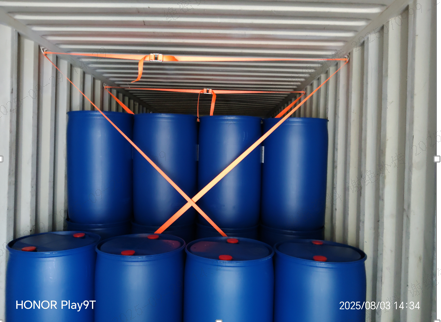
We also encourage our customers to adopt sustainable practices in their use of acrylic acid. For example, we promote the use of low - VOC adhesives and coatings made from acrylic acid to reduce air pollution. Additionally, we are constantly researching and developing new technologies to improve the environmental performance of acrylic acid production and use.
Conclusion and Call to Action
In conclusion, acrylic acid has both positive and negative environmental impacts. While it is an important chemical in many industries, its production, use, and disposal need to be carefully managed to minimize the environmental risks. As a supplier, we are dedicated to reducing the environmental footprint of acrylic acid through various initiatives, including energy - efficient production, proper waste management, and promoting sustainable use.
If you are interested in purchasing acrylic acid, we invite you to contact us for more information. We can provide you with high - quality acrylic acid products and support you in implementing environmentally friendly practices in your operations. Let's work together to ensure that the use of acrylic acid is both economically viable and environmentally sustainable.
References
- "Environmental Impact of Chemical Production Processes", Chemical Engineering Journal, Volume 123, Issue 3, 2006.
- "The Effects of Volatile Organic Compounds on Air Quality", Atmospheric Environment, Volume 45, Issue 2, 2011.
- "Safe Handling and Disposal of Hazardous Chemicals", Environmental Protection Agency Guidelines, 2018.