

Acrylic acid, identified by the CAS number 79 - 10 - 7, is a versatile and widely - used chemical compound. As a reliable supplier of Acrylic Acid 79 - 10 - 7, I am excited to explore its numerous applications in the field of biotechnology.
1. Tissue Engineering
In tissue engineering, the goal is to create functional biological substitutes to repair or replace damaged tissues and organs. Acrylic acid plays a crucial role in this area.
Acrylic acid can be polymerized to form polyacrylic acid (PAA). PAA is a hydrogel - forming polymer with excellent biocompatibility. Hydrogels are three - dimensional networks of hydrophilic polymers that can absorb and retain large amounts of water, mimicking the extracellular matrix (ECM) of natural tissues. The ECM provides structural and biochemical support to cells, and by creating a hydrogel environment similar to it, we can promote cell adhesion, proliferation, and differentiation.
For example, when PAA is combined with other biomaterials such as collagen or gelatin, it can be used to create scaffolds for tissue engineering. These scaffolds can be tailored to have specific mechanical properties and pore sizes, which are important for cell growth. Cells can attach to the surface of the scaffold and grow within its pores, gradually forming new tissue. This has potential applications in regenerating skin, cartilage, and even bone tissues. The carboxyl groups on the PAA chains can interact with various biomolecules, such as growth factors, allowing for the controlled release of these factors to further enhance tissue regeneration.
2. Drug Delivery Systems
Drug delivery systems are designed to transport drugs to the target site in the body in a controlled and efficient manner. Acrylic acid - based polymers are widely used in this field.
One of the key advantages of using acrylic acid polymers in drug delivery is their ability to respond to environmental stimuli. For instance, pH - sensitive polymers can be synthesized from acrylic acid. In the acidic environment of tumor tissues or the stomach, these polymers can undergo a change in their physical or chemical properties, such as swelling or degradation. This property can be exploited to control the release of drugs.
Polyacrylic acid - based nanoparticles are also commonly used as drug carriers. These nanoparticles can encapsulate drugs within their core and protect them from degradation in the bloodstream. The surface of the nanoparticles can be modified with targeting ligands, such as antibodies or peptides, to specifically deliver the drugs to the diseased cells. For example, in cancer treatment, nanoparticles loaded with anti - cancer drugs can be targeted to tumor cells, increasing the efficacy of the treatment and reducing the side effects on healthy tissues.
Moreover, acrylic acid polymers can be used to form mucoadhesive drug delivery systems. The carboxyl groups on the polymer chains can interact with the mucin layer on the surface of epithelial tissues, such as the mucosa in the gastrointestinal tract or the respiratory tract. This interaction allows the drug delivery system to adhere to the mucosal surface for an extended period, providing a sustained release of the drug.
3. Biosensors
Biosensors are analytical devices that combine a biological recognition element with a transducer to detect specific analytes. Acrylic acid can be used in the fabrication of biosensors in several ways.
Acrylic acid polymers can be used as a matrix for immobilizing biological recognition elements, such as enzymes, antibodies, or DNA. The carboxyl groups on the polymer chains can react with functional groups on the biological molecules, forming covalent bonds or strong non - covalent interactions. This immobilization process ensures the stability and proper orientation of the biological recognition elements, which is crucial for the accurate detection of analytes.
For example, in an enzyme - based biosensor, an enzyme can be immobilized on an acrylic acid - based polymer film. When the target analyte comes into contact with the enzyme, a biochemical reaction occurs, and the transducer can convert the resulting change, such as a change in electrical current or optical signal, into a measurable output. This allows for the detection of various substances, including glucose, cholesterol, and even pathogens.
In addition, acrylic acid polymers can be used to modify the surface of electrodes in electrochemical biosensors. By coating the electrode with an acrylic acid polymer, we can improve the biocompatibility of the electrode surface and enhance the electron transfer between the biological recognition element and the electrode, thereby improving the sensitivity and selectivity of the biosensor.
4. Cell Encapsulation
Cell encapsulation is a technique used to protect cells from the immune system and the surrounding environment while allowing the exchange of nutrients, oxygen, and waste products. Acrylic acid - based hydrogels are suitable for cell encapsulation.
When cells are encapsulated within a PAA hydrogel, the hydrogel acts as a physical barrier that prevents the immune cells from attacking the encapsulated cells. At the same time, the porous structure of the hydrogel allows for the diffusion of small molecules, ensuring the survival and normal function of the encapsulated cells.
This technology has applications in cell - based therapies. For example, pancreatic islet cells can be encapsulated in a PAA hydrogel and transplanted into patients with diabetes. The encapsulated cells can secrete insulin in response to changes in blood glucose levels, providing a potential long - term treatment for diabetes. The ability to control the properties of the hydrogel, such as its mechanical strength and permeability, is important for optimizing the performance of the cell - encapsulation system.
5. Diagnostic Assays
In diagnostic assays, acrylic acid polymers can be used in various ways. For example, in enzyme - linked immunosorbent assays (ELISA), which are widely used for the detection of antigens or antibodies, acrylic acid - based polymers can be used as coating materials for microplates.
The carboxyl groups on the acrylic acid polymers can be activated to react with proteins, such as antibodies or antigens. By immobilizing these biomolecules on the surface of the microplate, we can perform the ELISA assay. The acrylic acid - based coating provides a stable and uniform surface for the biomolecules to attach, which is important for the accuracy and reproducibility of the assay.
In addition, acrylic acid polymers can be used in the development of lateral flow assays. These are simple and rapid diagnostic tests that are commonly used for point - of - care testing. The polymers can be used to create a membrane or a matrix for the flow of the sample and the reagents, and they can also be used to immobilize the capture molecules, such as antibodies, to detect the target analyte.
Product Offerings
As a supplier of Acrylic Acid 79 - 10 - 7, we offer different packaging options to meet the diverse needs of our customers. If you require a large - scale supply, we have Acrylic Acid For Vessel Bulk Above 1000 Tons. This option is suitable for industrial - scale biotech companies or large - scale manufacturing facilities.
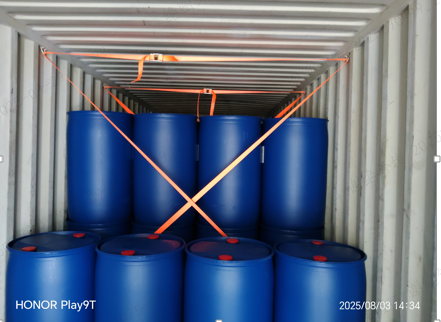
For medium - sized orders, Acrylic Acid For 40GP With Drums And Pallets is available. This packaging is convenient for transportation and storage, and it can be easily handled by most biotech laboratories or small - to - medium - sized production plants.
If you have smaller requirements, Acrylic Acid For 20GP is a great choice. It provides a cost - effective solution for research institutions or start - up biotech companies.
Conclusion
The applications of Acrylic Acid 79 - 10 - 7 in biotechnology are extensive and diverse. From tissue engineering and drug delivery to biosensors, cell encapsulation, and diagnostic assays, acrylic acid - based materials have shown great potential in improving human health and advancing the field of biotechnology. As a reliable supplier, we are committed to providing high - quality acrylic acid products to support the continuous development of this exciting field. If you are interested in purchasing our products or have any questions about their applications, please feel free to contact us for further discussion and procurement negotiations.

References
- Langer, R., & Tirrell, D. A. (2004). Designing materials for biology and medicine. Nature, 428(6982), 487 - 492.
- Peppas, N. A., Bures, P., Leobandung, W., & Ichikawa, H. (2000). Hydrogels in pharmaceutical formulations. European Journal of Pharmaceutics and Biopharmaceutics, 50(1), 27 - 46.
- Wang, J. (2006). Electrochemical biosensors: Towards point - of - care cancer diagnostics. Electroanalysis, 18(16 - 17), 1783 - 1794.