

Yo, I'm a polyethylene supplier, and I gotta be real with y'all. While polyethylene is super useful and all, it ain't all sunshine and rainbows. There are some real disadvantages to using this stuff that we need to talk about.
Environmental Impact
One of the biggest drawbacks of polyethylene is its environmental impact. Polyethylene is a type of plastic, and we all know how bad plastic is for the environment. It's non - biodegradable, which means it doesn't break down naturally over time. When polyethylene products end up in landfills, they can sit there for hundreds of years. That's a long time for a piece of trash to just hang around!
And it's not just landfills. Polyethylene also finds its way into our oceans. You've probably seen those heart - wrenching pictures of sea animals getting tangled up in plastic bags or ingesting plastic particles. A lot of that plastic is polyethylene. These animals can suffer from internal injuries, starvation, and even death because of the polyethylene in their environment.
Moreover, the production of polyethylene is energy - intensive. It requires a significant amount of fossil fuels to extract the raw materials and then process them into polyethylene. This contributes to greenhouse gas emissions, which are a major cause of climate change. So, every time we use polyethylene, we're kind of adding fuel to the fire when it comes to global warming.
Health Concerns
Another disadvantage is the potential health risks associated with polyethylene. When polyethylene is produced, it can release certain chemicals. Some of these chemicals, like vinyl chloride (a precursor in the production of some types of polyethylene), are known carcinogens. Workers in polyethylene manufacturing plants are at a higher risk of being exposed to these harmful substances.
Even in our daily lives, there are concerns. For example, when polyethylene is heated, it can leach chemicals into food or drinks. If you've ever microwaved food in a plastic container made of polyethylene, there's a chance that some of the chemicals from the plastic have gotten into your food. While the long - term health effects of these low - level chemical exposures are still being studied, it's definitely a cause for concern.
Recycling Challenges
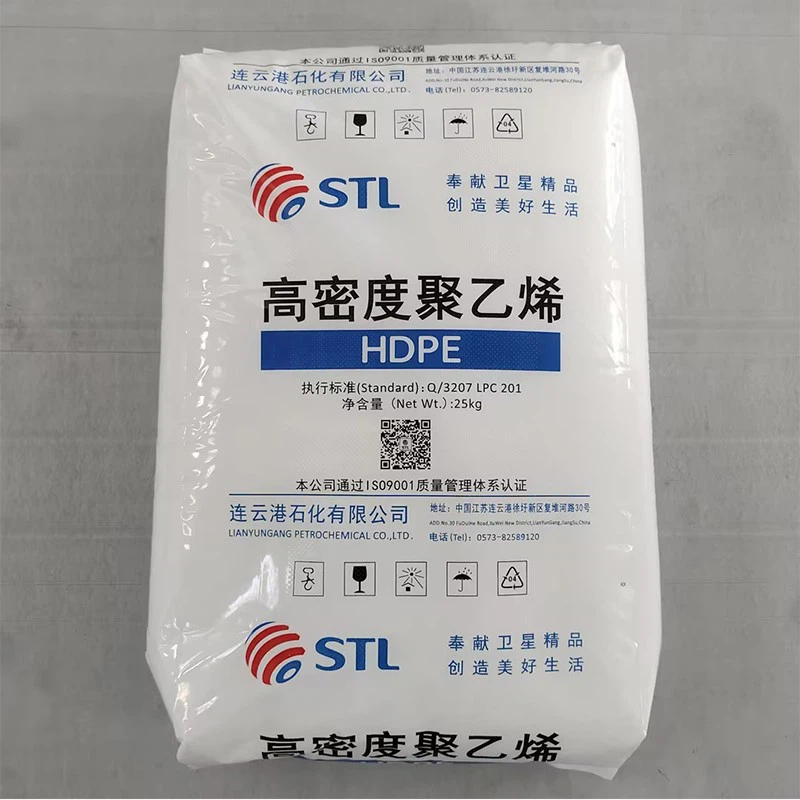
Recycling polyethylene sounds like a great solution, but it's not as easy as it seems. There are different types of polyethylene, such as high - density polyethylene (HDPE) and low - density polyethylene (LDPE). These different types need to be separated before recycling, which adds an extra step to the process.

Also, the recycling rate for polyethylene is relatively low. Many people don't recycle their polyethylene products properly, and even when they do, a lot of the recycled polyethylene doesn't end up being made into new products. Instead, it might end up in landfills again. This is partly because recycling polyethylene requires specialized equipment and processes, which can be expensive.
Durability Can Be a Double - Edged Sword
Polyethylene is known for its durability, which is usually a good thing. But in some cases, it can be a disadvantage. For example, if you have a polyethylene product that you no longer need, it's not going to break down easily. You can't just throw it away and expect it to disappear. This means that we end up with a lot of polyethylene waste that accumulates over time.
Limited Compatibility
Polyethylene has limited compatibility with other materials. If you're trying to combine polyethylene with other substances in a manufacturing process, you might run into issues. For example, it can be difficult to bond polyethylene to certain metals or other plastics. This can limit its use in some applications where a strong bond between different materials is required.
Market Volatility
The price of polyethylene can be quite volatile. It's affected by factors like the price of crude oil (since it's a major raw material for polyethylene production), supply and demand, and global economic conditions. This means that as a supplier, I sometimes have to deal with sudden price changes. And for customers, it can be hard to plan their budgets when the price of polyethylene keeps fluctuating.
Product Aesthetics
In some cases, the aesthetics of polyethylene products might not be ideal. Polyethylene can look and feel cheap, especially compared to other materials like glass or metal. This can be a problem if you're using polyethylene for products where appearance is important, such as high - end consumer goods.
Now, despite all these disadvantages, polyethylene still has a lot of uses. It's used in a wide range of products, from Film 9002 - 88 - 4 to Filament 9002 - 88 - 4 and Injection Molding(ES Fiber)9002 - 88 - 4. It's lightweight, flexible, and relatively inexpensive, which makes it a popular choice in many industries.
If you're in the market for polyethylene, I understand that you need to weigh the pros and cons. But don't let these disadvantages scare you off completely. We're constantly working on ways to make polyethylene more sustainable and to address these issues. If you're interested in learning more about our polyethylene products or have any questions, feel free to reach out and let's start a conversation. We can discuss how we can meet your specific needs while also being as environmentally friendly as possible.
References
- "Plastic Pollution: A Growing Crisis." National Geographic.
- "Health Effects of Chemicals in Plastics." Environmental Working Group.
- "Recycling of Polyethylene: Challenges and Opportunities." Journal of Plastic Recycling.