

As a supplier of Film 9002 - 88 - 4, I understand the growing importance of recycling in today's environmentally - conscious world. Film 9002 - 88 - 4, a type of polyethylene film, has various applications, from packaging to industrial uses. Recycling this material not only helps in reducing waste but also conserves resources and energy. In this blog, I will share some effective ways to recycle Film 9002 - 88 - 4.
Understanding Film 9002 - 88 - 4
Before delving into the recycling process, it's essential to understand what Film 9002 - 88 - 4 is. It is a polyethylene - based film that offers excellent flexibility, durability, and moisture resistance. This makes it a popular choice in many industries. You can learn more about its applications at Film 9002 - 88 - 4.
Pre - recycling Preparation
The first step in recycling Film 9002 - 88 - 4 is proper preparation. This involves collecting and sorting the film. Separate Film 9002 - 88 - 4 from other types of plastics and contaminants. If the film is dirty or has residues, it should be cleaned. For instance, if it has been used for food packaging, it needs to be washed thoroughly to remove any food particles. This pre - treatment ensures that the recycling process is more efficient and the recycled material has better quality.
Collection Methods
There are several ways to collect Film 9002 - 88 - 4 for recycling. One option is to set up a dedicated collection point at your facility. This can be a large bin where employees can deposit used Film 9002 - 88 - 4. Another method is to partner with local waste management companies. They can provide regular collection services and ensure that the collected film is transported to the appropriate recycling facilities. Some municipalities also offer recycling programs for plastics, including polyethylene films. You can check with your local government to see if they accept Film 9002 - 88 - 4.
Recycling Technologies
Once the Film 9002 - 88 - 4 is collected and prepared, it can be recycled using different technologies.
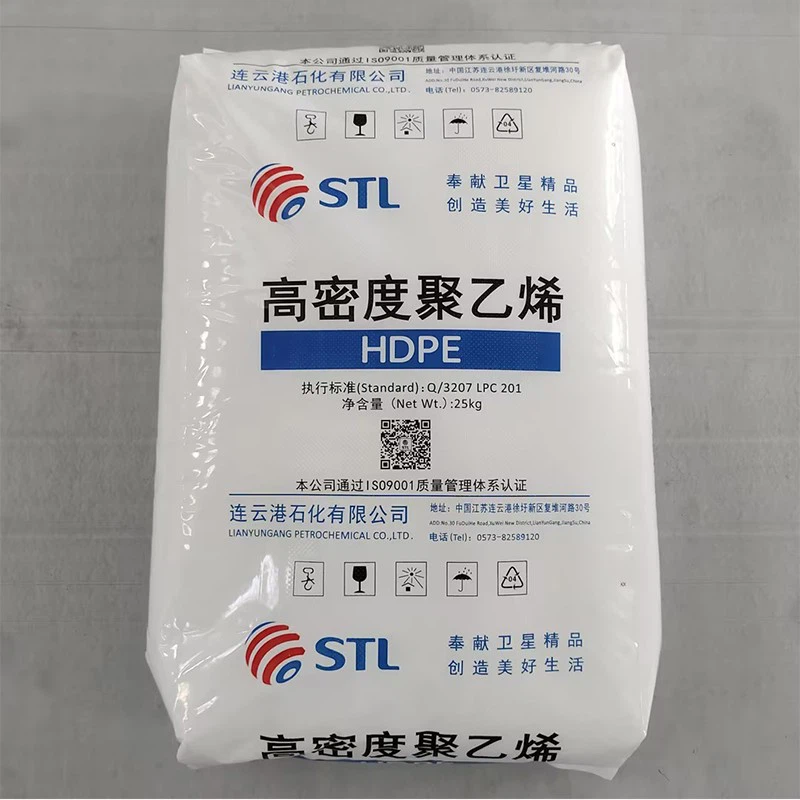

Mechanical Recycling
Mechanical recycling is one of the most common methods. In this process, the film is shredded into small pieces. These pieces are then melted and reformed into new plastic products. The advantage of mechanical recycling is that it is relatively simple and cost - effective. However, the quality of the recycled plastic may be slightly lower than the original material. The recycled Film 9002 - 88 - 4 can be used to make products such as Injection Molding(ES Fiber)9002 - 88 - 4 or Pipe 9002 - 88 - 4.
Chemical Recycling
Chemical recycling is a more advanced technology. It involves breaking down the polyethylene molecules in Film 9002 - 88 - 4 into their basic components. These components can then be used to produce new polyethylene with properties similar to the original material. Chemical recycling can handle more contaminated plastics and can produce higher - quality recycled products. However, it requires more complex equipment and higher energy consumption.
Quality Control in Recycling
Quality control is crucial in the recycling of Film 9002 - 88 - 4. During the recycling process, samples of the recycled material should be regularly tested. Tests can include checking the physical properties such as tensile strength, flexibility, and density. Chemical analysis can also be performed to ensure that the recycled material meets the required standards. By maintaining high - quality control, the recycled Film 9002 - 88 - 4 can be used in a wider range of applications.
Benefits of Recycling Film 9002 - 88 - 4
Recycling Film 9002 - 88 - 4 offers numerous benefits.
Environmental Benefits
One of the most significant benefits is environmental protection. By recycling, we reduce the amount of plastic waste that ends up in landfills or the environment. Polyethylene films can take hundreds of years to decompose, and recycling helps to prevent this long - term environmental impact. Additionally, recycling conserves natural resources. Producing new polyethylene from virgin materials requires large amounts of fossil fuels, while recycling reduces the demand for these resources.
Economic Benefits
Recycling Film 9002 - 88 - 4 can also have economic advantages. For businesses, it can reduce waste management costs. Instead of paying for the disposal of used film, they can sell it to recycling companies or use it to produce new products in - house. The recycled Film 9002 - 88 - 4 can be sold at a lower cost than virgin polyethylene, which can be an attractive option for manufacturers looking to reduce their production costs.
Challenges in Recycling Film 9002 - 88 - 4
Despite the many benefits, there are also some challenges in recycling Film 9002 - 88 - 4.
Contamination
Contamination is a major issue. If the film is mixed with other plastics or has residues, it can affect the quality of the recycled material. For example, if there are paper labels or adhesives on the film, they need to be removed during the pre - recycling preparation. However, some contaminants can be difficult to separate, especially if they are chemically bonded to the polyethylene.
Collection Infrastructure
Another challenge is the lack of a well - developed collection infrastructure. In some areas, it may be difficult to find recycling facilities that accept Film 9002 - 88 - 4. This can make it more challenging for businesses and consumers to recycle the film properly.
Overcoming the Challenges
To overcome the challenges, several strategies can be implemented.
Education and Awareness
Educating employees, consumers, and the general public about the importance of recycling Film 9002 - 88 - 4 and how to do it properly is crucial. This can be done through training programs, posters, and online resources. By increasing awareness, people are more likely to participate in recycling efforts and ensure that the film is properly prepared for recycling.
Investment in Infrastructure
There needs to be more investment in collection and recycling infrastructure. Governments and businesses can work together to establish more recycling facilities and improve the collection network. This can include setting up more collection points, providing better transportation services, and developing more advanced recycling technologies.
Conclusion
Recycling Film 9002 - 88 - 4 is an important step towards a more sustainable future. As a supplier, I am committed to promoting the recycling of this material. By understanding the recycling process, its benefits, and the challenges, we can all contribute to reducing plastic waste and conserving resources. If you are interested in purchasing Film 9002 - 88 - 4 or have questions about recycling it, feel free to contact me for further discussions.
References
- Polyethylene Recycling Association. (20XX). Best Practices for Recycling Polyethylene Films.
- Environmental Protection Agency. (20XX). Plastic Recycling Guidelines.
- Journal of Plastic Recycling. (20XX). Advances in Polyethylene Film Recycling Technologies.