

Hey there! I'm a supplier of Acrylic Acid 79 - 10 - 7, and today I wanna chat about how temperature can have a big impact on the properties of this stuff.
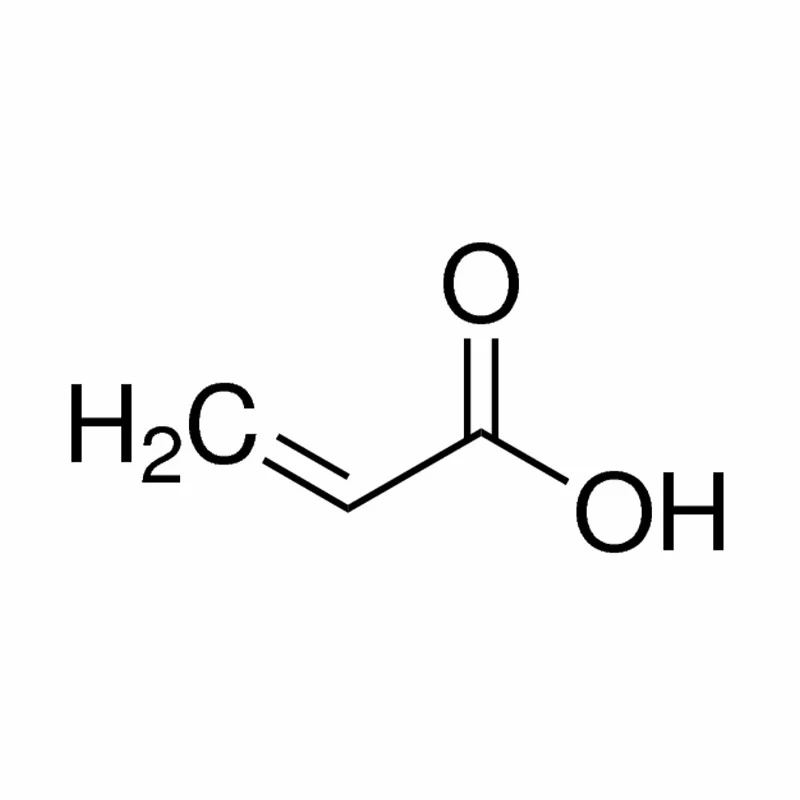
First off, let's quickly go over what Acrylic Acid 79 - 10 - 7 is. It's a key chemical used in a whole bunch of industries, like coatings, adhesives, and plastics. It's got some pretty cool properties that make it super useful, but temperature can really mess with those.
Physical Properties
Viscosity
One of the most noticeable effects of temperature on Acrylic Acid 79 - 10 - 7 is on its viscosity. Viscosity is basically how thick or thin a liquid is. When the temperature goes up, the molecules in the acrylic acid start moving around more. They've got more energy, so they can slide past each other more easily. This means that the viscosity of the acrylic acid decreases.
Think of it like honey. When honey is cold, it's thick and sticky, and it's hard to pour. But when you warm it up, it gets runnier and flows much more easily. The same thing happens with Acrylic Acid 79 - 10 - 7. At lower temperatures, it's more viscous, which can make it a bit of a pain to handle. For example, if you're trying to pump it through a pipeline, you might need more pressure to get it moving.
On the other hand, at higher temperatures, the lower viscosity can be a double - edged sword. It might be easier to handle in some ways, but it can also lead to more splashing and spills. So, you've gotta find that sweet spot when it comes to temperature for handling this stuff.
Density
Temperature also affects the density of Acrylic Acid 79 - 10 - 7. As the temperature increases, the volume of the acrylic acid expands. Since density is mass divided by volume, and the mass stays the same while the volume gets bigger, the density decreases.
This is important in storage and transportation. If you're storing Acrylic Acid 79 - 10 - 7 in a tank, you need to take into account how the density changes with temperature. If the temperature rises significantly, the volume of the acid will increase, and you need to make sure the tank has enough room to accommodate that expansion. Otherwise, you could end up with a dangerous over - pressure situation.
Chemical Properties
Polymerization
One of the most critical chemical reactions that temperature affects in Acrylic Acid 79 - 10 - 7 is polymerization. Polymerization is the process where individual acrylic acid molecules link together to form long chains called polymers.
At lower temperatures, the rate of polymerization is relatively slow. The molecules don't have enough energy to react with each other easily. This can be a good thing if you're trying to store the acrylic acid for a long time. You want to keep it at a temperature where polymerization doesn't happen too quickly, or else it'll turn into a solid mass.
However, as the temperature increases, the rate of polymerization speeds up significantly. This is because the molecules have more energy, and they can overcome the activation energy required for the reaction to occur. If the temperature gets too high, the polymerization can happen very rapidly, leading to a runaway reaction. This is extremely dangerous because it can generate a lot of heat and pressure, which can cause an explosion or a fire.
To prevent unwanted polymerization, we usually add inhibitors to Acrylic Acid 79 - 10 - 7. These inhibitors work by reacting with the reactive species that start the polymerization process. But even with inhibitors, temperature control is crucial. If the temperature gets too high, the inhibitors might not be able to keep up, and polymerization will still occur.
Reactivity with Other Substances
Temperature also affects how Acrylic Acid 79 - 10 - 7 reacts with other substances. In general, as the temperature increases, the reactivity of the acrylic acid also increases. This means that it'll react more readily with other chemicals.
For example, if you're using Acrylic Acid 79 - 10 - 7 in a chemical synthesis reaction, a higher temperature might speed up the reaction rate. But it can also lead to side reactions. These side reactions can produce unwanted by - products, which can reduce the yield of the desired product and make the purification process more difficult.
Impact on Storage and Transportation
Storage
When it comes to storing Acrylic Acid 79 - 10 - 7, temperature control is essential. We usually store it in tanks that are designed to maintain a specific temperature range. For long - term storage, it's best to keep the temperature relatively low to slow down polymerization and other chemical reactions.
However, we also need to be careful not to let the temperature get too low. If it drops below the freezing point of Acrylic Acid 79 - 10 - 7, it'll solidify. This can damage the storage tank and make it difficult to get the acid out when you need it.
Transportation
Transporting Acrylic Acid 79 - 10 - 7 also requires careful temperature management. Whether it's in an Acrylic Acid For Isotank, Acrylic Acid For 20GP, or Acrylic Acid For 40GP With Drums And Pallets, the temperature needs to be monitored and controlled.
During transportation, the temperature can be affected by the external environment. For example, if it's a hot day, the temperature inside the container can rise. This is why we use insulated containers and sometimes even cooling systems to keep the temperature within the safe range.
Conclusion
So, as you can see, temperature has a huge impact on the properties of Acrylic Acid 79 - 10 - 7. From physical properties like viscosity and density to chemical properties like polymerization and reactivity, every aspect is affected.
If you're in the market for Acrylic Acid 79 - 10 - 7, it's important to understand these temperature - related effects. That way, you can handle, store, and use it safely and effectively. Whether you need it for a small - scale project or a large - scale industrial application, we've got the right product for you. If you're interested in purchasing Acrylic Acid 79 - 10 - 7, feel free to reach out to start a procurement discussion.

References
- "Handbook of Industrial Chemistry and Biotechnology"
- "Chemical Engineering Thermodynamics"
- Industry reports on Acrylic Acid 79 - 10 - 7 properties and handling