

Polyethylene is one of the most widely used plastics in the world, known for its versatility, durability, and cost - effectiveness. As a polyethylene supplier, I've witnessed firsthand the diverse applications of this remarkable polymer and the importance of understanding how it reacts with different chemicals. This knowledge is crucial for our customers, as it helps them select the right polyethylene products for their specific needs and ensures the safety and longevity of their applications.
Chemical Resistance of Polyethylene
Polyethylene generally exhibits excellent chemical resistance, which is one of the reasons for its widespread use. It is highly resistant to many acids, bases, salts, and organic solvents under normal conditions. This resistance is due to its non - polar nature and high molecular weight, which make it difficult for most chemicals to penetrate the polymer matrix.
However, the chemical resistance of polyethylene can vary depending on factors such as the type of polyethylene (e.g., high - density polyethylene - HDPE, low - density polyethylene - LDPE, linear low - density polyethylene - LLDPE), temperature, and the concentration and duration of exposure to the chemical.
Reactions with Acids
Most polyethylene types are resistant to dilute acids at room temperature. For example, HDPE can withstand exposure to hydrochloric acid, sulfuric acid, and nitric acid in concentrations typically found in industrial and laboratory settings. The non - polar nature of polyethylene prevents the acid molecules from interacting strongly with the polymer chains.
However, concentrated acids or exposure at elevated temperatures can cause problems. Strong oxidizing acids, such as concentrated sulfuric acid or fuming nitric acid, can react with polyethylene over time. These acids can oxidize the polymer, leading to chain scission and a decrease in the mechanical properties of the material. In extreme cases, the polyethylene may become brittle and break down.
Reactions with Bases
Similar to acids, polyethylene is generally resistant to most common bases. Sodium hydroxide and potassium hydroxide solutions, even at relatively high concentrations, have little effect on polyethylene at room temperature. The polymer's non - polar structure does not allow the base molecules to interact readily with the polyethylene chains.
But, as with acids, high - temperature exposure to strong bases can cause degradation. At elevated temperatures, the base can react with any impurities or unsaturated bonds in the polyethylene, leading to chemical changes in the polymer structure. For example, long - term exposure to hot, concentrated sodium hydroxide can cause embrittlement of the polyethylene.
Reactions with Organic Solvents
The behavior of polyethylene towards organic solvents is more complex. Non - polar solvents, such as hexane, heptane, and toluene, can cause swelling of polyethylene. The non - polar solvent molecules can penetrate between the polyethylene chains, causing them to separate and the material to expand. This swelling can lead to a decrease in the mechanical strength and dimensional stability of the polyethylene.
On the other hand, polar solvents like water, ethanol, and acetone generally have little effect on polyethylene. The polar nature of these solvents makes it difficult for them to dissolve or interact strongly with the non - polar polyethylene. However, some polar solvents can act as carriers for other chemicals, which may indirectly affect the polyethylene.
Reactions with Oxidizing Agents
Oxidizing agents, such as hydrogen peroxide, chlorine, and ozone, can have a significant impact on polyethylene. These agents can react with the polymer by oxidizing the carbon - hydrogen bonds in the polyethylene chains.
Ozone, for example, is a powerful oxidizing agent that can cause surface cracking and embrittlement of polyethylene. The reaction with ozone creates carbonyl groups on the polymer surface, which weakens the material and makes it more susceptible to mechanical failure.
Chlorine can also react with polyethylene, especially in the presence of light or heat. Chlorination of polyethylene can occur, leading to changes in the chemical and physical properties of the polymer.
Applications and Product Recommendations
Understanding these chemical reactions is essential for choosing the right polyethylene product for a particular application. For applications involving exposure to acids or bases, HDPE is often a good choice due to its high chemical resistance. Filament 9002 - 88 - 4 is an HDPE - based product that offers excellent resistance to a wide range of chemicals and is suitable for use in chemical storage tanks and pipes.
If flexibility is required along with chemical resistance, LDPE or LLDPE may be more appropriate. Film 9002 - 88 - 4 is a LDPE - based product that can be used in applications such as chemical - resistant liners or packaging for chemical products.

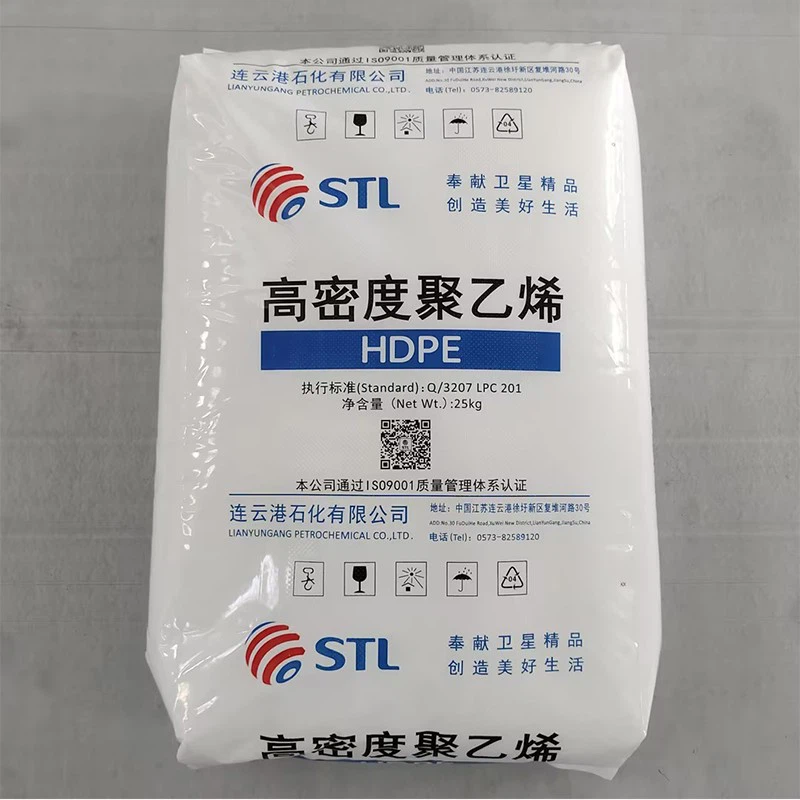
For injection - molded parts that need to withstand chemical exposure, Injection Molding(ES Fiber)9002 - 88 - 4 provides good chemical resistance along with the ability to be molded into complex shapes.
Importance for Our Customers
As a polyethylene supplier, we understand that our customers rely on us to provide them with the right products for their specific needs. By having a deep understanding of how polyethylene reacts with different chemicals, we can offer accurate advice on product selection, ensuring that our customers' applications are safe and reliable.
We also provide technical support to our customers, helping them to assess the potential risks of chemical exposure and develop strategies to minimize any negative effects. Whether it's choosing the right grade of polyethylene, recommending protective coatings, or suggesting alternative materials in extreme cases, our goal is to ensure the success of our customers' projects.
Contact for Procurement
If you are in need of polyethylene products for your chemical - related applications, we are here to help. Our team of experts can provide detailed information on the chemical resistance of our products and assist you in selecting the most suitable polyethylene for your specific requirements. Please reach out to us to start a procurement discussion. We look forward to working with you to meet your polyethylene needs.
References
- "Handbook of Plastics, Elastomers, and Composites" by Charles A. Harper.
- "Polymer Chemistry" by Paul C. Hiemenz and Timothy P. Lodge.
- Various technical bulletins from polyethylene manufacturers.