

Hey there! As a supplier of Film 9002 - 88 - 4, I often get asked about its biodegradability. So, I thought I'd sit down and write this blog to share what I know with you all.
Let's start by understanding what biodegradability means. Simply put, it's the ability of a material to break down into natural substances by the action of living organisms like bacteria, fungi, etc. When a product is biodegradable, it can return to the environment in a way that doesn't cause long - term harm.
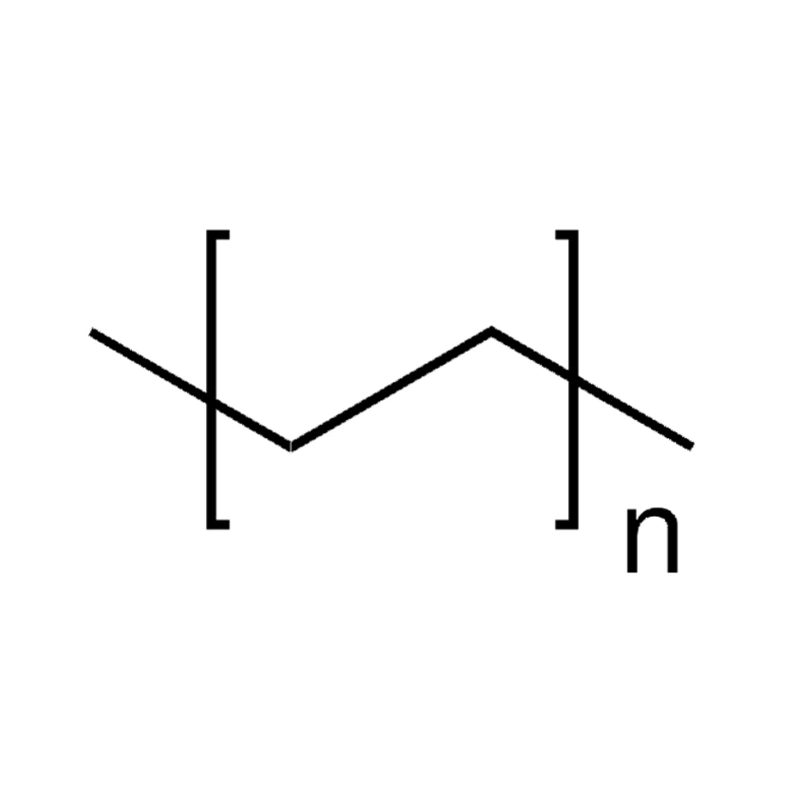
Now, let's talk about Film 9002 - 88 - 4. This film is a type of polyethylene product. Polyethylene is a widely used plastic, and its biodegradability is a bit of a complex topic.
In general, traditional polyethylene has a very low biodegradability. It's made up of long - chain polymers that are quite stable and resistant to the natural processes of degradation. Microorganisms in the environment have a hard time breaking down these long chains. So, if we were to look at Film 9002 - 88 - 4 from the perspective of traditional polyethylene, it would take a really long time to break down in the environment.
However, the situation isn't entirely bleak. There have been a lot of advancements in the field of polymer science. Some manufacturers, including us as suppliers of Film 9002 - 88 - 4, are exploring ways to enhance its biodegradability. For example, we can add certain additives to the film. These additives act as an attractant for microorganisms. They can make the polymer chains more accessible to bacteria and fungi, which then start the process of breaking them down.

Another approach is to use a blend of polymers. By combining polyethylene with other biodegradable polymers, we can create a film that has better biodegradability characteristics. This way, when the film is discarded, a part of it can break down relatively quickly, reducing the overall environmental impact.
But it's important to note that even with these improvements, the biodegradability of Film 9002 - 88 - 4 isn't instantaneous. It still depends on a lot of factors in the environment. For instance, the temperature, humidity, and the presence of the right kind of microorganisms all play a role. In a landfill where there's limited oxygen and sunlight, the degradation process will be much slower compared to an environment with plenty of moisture and a diverse microbial population.
Now, let's see how Film 9002 - 88 - 4 compares to other products in the same category. If you're interested in related products, you can check out Pipe 9002 - 88 - 4 and Filament 9002 - 88 - 4. These products also have their own unique properties when it comes to biodegradability. Pipes, for example, are often buried underground, which can affect their exposure to environmental factors and thus their degradation rate. Filaments, on the other hand, might be more exposed to air and sunlight, which could potentially speed up the degradation process in some cases.
So, why should you consider using Film 9002 - 88 - 4? Despite the challenges with biodegradability, it has a lot of great features. It's strong, flexible, and can be used in a wide range of applications. Whether it's for packaging, agricultural use, or industrial applications, this film can get the job done. And with our ongoing efforts to improve its biodegradability, you can feel a bit better about using it from an environmental perspective.
If you're in the market for a high - quality film, I'd highly recommend taking a closer look at Film 9002 - 88 - 4. We're always here to answer any questions you might have about its properties, including biodegradability. If you're interested in purchasing, we'd love to have a chat with you and discuss your specific needs. Just reach out, and we can start a conversation about how Film 9002 - 88 - 4 can fit into your business.
In conclusion, while the biodegradability of Film 9002 - 88 - 4 isn't perfect, there's a lot of potential for improvement. And with the right balance of performance and environmental considerations, it can be a great choice for many applications. So, don't hesitate to get in touch if you want to learn more or make a purchase.
References
- Polymer Science: An Introduction by Fred W. Billmeyer Jr.
- Environmental Degradation of Polymers by Ajay K. Bhowmick and Howard L. Stephens