

Hey there! I'm an acrylic acid supplier, and I often get asked about the storage conditions to prevent polymerization. It's a crucial topic because if acrylic acid polymerizes, it can cause all sorts of problems, from clogging up equipment to rendering the product useless. So, let's dive into the details.

Why Polymerization is a Big Deal
Acrylic acid is a highly reactive monomer. Under certain conditions, it can start to link together to form long chains, which is what we call polymerization. Once it polymerizes, it's no longer the useful acrylic acid we need. It can turn into a solid or a thick gel, and that's a major headache for anyone using or storing it.
Temperature Control
One of the most important factors in preventing polymerization is temperature. Acrylic acid should be stored at a relatively low temperature. Ideally, it should be kept between 2 - 8°C (36 - 46°F). This cool environment slows down the chemical reactions that lead to polymerization.
If the temperature gets too high, the molecules of acrylic acid start to move around more vigorously. This increased movement makes it more likely for them to collide and react with each other, kicking off the polymerization process. On the other hand, if it's stored at extremely low temperatures, there's a risk of the acrylic acid freezing, which can also cause issues.
Inhibitors
Inhibitors are chemicals that are added to acrylic acid to prevent polymerization. They work by reacting with the free radicals that are responsible for starting the polymerization process. The most common inhibitor used for acrylic acid is hydroquinone monomethyl ether (MEHQ).
When we supply acrylic acid, we make sure it has the right amount of inhibitor. But it's important to note that the effectiveness of the inhibitor can decrease over time, especially if the acrylic acid is exposed to air or light. So, regular checks are necessary to ensure that there's still enough inhibitor in the product.
Container and Storage Conditions
The container in which acrylic acid is stored also plays a big role. It should be made of a material that is resistant to the corrosive nature of acrylic acid. Stainless steel or certain types of plastics are good choices.
The storage area should be well-ventilated to prevent the buildup of vapors. Acrylic acid vapors can be harmful if inhaled, and they can also contribute to the polymerization process. Additionally, the storage area should be away from sources of heat, sparks, and flames. Acrylic acid is flammable, so any ignition source could lead to a dangerous situation.
Handling and Transportation
When handling and transporting acrylic acid, it's important to follow strict safety protocols. The product should be transferred carefully to avoid spills and splashes. If a spill does occur, it should be cleaned up immediately using appropriate safety equipment.
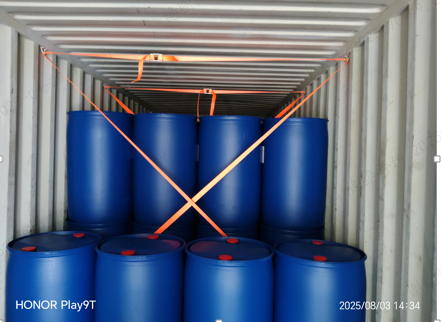
During transportation, the containers should be secured properly to prevent them from tipping over or getting damaged. It's also a good idea to monitor the temperature during transit to ensure that it stays within the recommended range.
Our Products
We offer a range of acrylic acid products, including Acrylic Acid For 20GP With Drums And Pallets and Acrylic Acid For 20GP. Our AA 79-10-7 product is of high quality and is carefully formulated to meet the industry standards.
Contact Us for Purchase
If you're in the market for acrylic acid, we'd love to hear from you. Whether you have questions about storage, our products, or just want to discuss a potential purchase, feel free to reach out. We're here to help you get the best acrylic acid for your needs.
References
- "Handbook of Polymer Science and Technology"
- "Chemical Safety Data Sheets for Acrylic Acid"