

Acrylic acid, with the CAS number 79 - 10 - 7, is a versatile and widely used chemical compound. As a leading supplier of Acrylic Acid 79 - 10 - 7, I am excited to share with you the main uses of this remarkable substance.
1. Polymerization and Copolymerization
One of the most significant applications of acrylic acid is in polymerization and copolymerization processes. When acrylic acid undergoes polymerization, it forms polyacrylic acid. Polyacrylic acid is a superabsorbent polymer that can absorb and retain large amounts of water. This property makes it ideal for use in disposable diapers, sanitary napkins, and other personal care products. In these products, polyacrylic acid can quickly absorb and lock away liquids, keeping the user dry and comfortable.
Copolymerization of acrylic acid with other monomers, such as acrylamide or methyl acrylate, results in a wide range of copolymers with diverse properties. These copolymers are used in various industries, including the textile, paper, and water treatment industries. For example, in the textile industry, acrylic acid copolymers can be used as sizing agents to improve the strength and smoothness of fibers. In the paper industry, they can be used as retention aids to increase the retention of fillers and fibers in the paper - making process. In water treatment, acrylic acid copolymers can act as scale inhibitors and dispersants to prevent the formation of scale and the aggregation of suspended particles in water systems.
2. Adhesives and Sealants
Acrylic acid is a key ingredient in the production of adhesives and sealants. Acrylic adhesives are known for their excellent bonding strength, high transparency, and good weather resistance. They can bond a wide variety of materials, including metals, plastics, glass, and wood. Acrylic adhesives are used in many applications, such as automotive assembly, construction, and electronics.
In automotive assembly, acrylic adhesives are used to bond body panels, windshields, and interior components. Their high strength and durability ensure the structural integrity of the vehicle. In construction, acrylic sealants are used to seal joints and gaps in buildings, preventing the ingress of water, air, and dust. They are also resistant to UV radiation and temperature changes, making them suitable for outdoor applications. In the electronics industry, acrylic adhesives are used to assemble printed circuit boards and other electronic components, providing reliable electrical insulation and mechanical support.
3. Coatings
Acrylic acid is used in the formulation of various coatings, including paints, varnishes, and lacquers. Acrylic coatings offer several advantages, such as good adhesion, high gloss, and excellent weather resistance. They can be applied to a variety of substrates, including metal, wood, and plastic.
In the automotive industry, acrylic coatings are used for automotive paints. They provide a smooth, shiny finish that protects the vehicle's body from corrosion and scratches. In the furniture industry, acrylic varnishes are used to protect and enhance the appearance of wooden furniture. They can be formulated to have different levels of gloss, from high - gloss to matte, to meet different customer preferences. In the industrial coatings market, acrylic coatings are used to protect machinery, equipment, and structures from environmental damage.
4. Superabsorbent Polymers for Agriculture
As mentioned earlier, polyacrylic acid is a superabsorbent polymer. In agriculture, superabsorbent polymers based on acrylic acid can be used to improve soil water - holding capacity. These polymers can absorb and retain large amounts of water, which can be slowly released to the plant roots as needed. This helps to reduce water stress on plants, especially in arid and semi - arid regions.
Superabsorbent polymers can also improve soil structure by preventing soil compaction. They can increase the porosity of the soil, allowing better air and water infiltration. This promotes root growth and nutrient uptake by plants. Additionally, superabsorbent polymers can be used to encapsulate fertilizers and pesticides, releasing them slowly over time, which improves the efficiency of nutrient and pest management.
5. Personal Care and Cosmetics
Acrylic acid and its derivatives are widely used in the personal care and cosmetics industry. In hair care products, such as hair sprays and styling gels, acrylic acid polymers are used to provide hold and style retention. They can form a thin film on the hair, keeping it in place without making it feel sticky or heavy.
In skin care products, acrylic acid polymers can be used as thickeners, emulsifiers, and stabilizers. They can improve the texture and stability of creams, lotions, and serums. For example, in moisturizers, acrylic acid polymers can help to form a protective barrier on the skin, preventing moisture loss and keeping the skin hydrated.
Product Offerings
As a supplier of Acrylic Acid 79 - 10 - 7, we offer different packaging options to meet the diverse needs of our customers. We have Acrylic Acid For Isotank, which is suitable for large - scale transportation and storage. This option is ideal for customers who require a large quantity of acrylic acid.
We also provide Acrylic Acid For 20GP, which is a more convenient option for medium - sized orders. The 20 - foot general purpose container is a standard shipping unit that can be easily transported by various means of transportation.
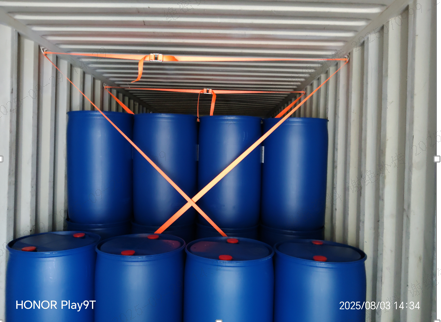
For customers who need smaller quantities or prefer a more flexible packaging solution, we offer Acrylic Acid For 20GP With Drums And Pallets. This option allows for easier handling and storage of the product.
Conclusion
Acrylic acid 79 - 10 - 7 is a highly versatile chemical with a wide range of applications in multiple industries. Its unique properties, such as its ability to polymerize, form strong bonds, and absorb water, make it an essential ingredient in many products. Whether you are in the personal care, automotive, construction, or agriculture industry, acrylic acid can play a crucial role in your production processes.
If you are interested in purchasing Acrylic Acid 79 - 10 - 7 for your business, we invite you to contact us for a detailed discussion. Our team of experts is ready to assist you in finding the right product and packaging solution to meet your specific requirements.

References
- Kirk - Othmer Encyclopedia of Chemical Technology.
- Ullmann's Encyclopedia of Industrial Chemistry.
- Journal of Polymer Science.
- Journal of Adhesion Science and Technology.