

Hey there! I'm a supplier of Filament 9002 - 88 - 4. You might be wondering what the LC50 values of Filament 9002 - 88 - 4 are. Well, let's dive right into it.
First off, LC50 stands for "Lethal Concentration 50". It's a measure used in toxicology to indicate the concentration of a substance in the air, water, or other media that is expected to cause death in 50% of a test population of organisms (usually animals like rats or fish) when exposed for a specific period.
When it comes to Filament 9002 - 88 - 4, determining its LC50 values isn't a straightforward task. This filament is often used in various industrial applications, and its toxicity can vary depending on a bunch of factors.
Factors Affecting LC50 Values
Chemical Composition
Filament 9002 - 88 - 4 is likely a polymer - based product. The exact chemical makeup of the polymer can have a huge impact on its toxicity. Different monomers, additives, and processing aids used in the production of the filament can change how harmful it is to living organisms. For example, if there are some heavy metal additives or volatile organic compounds (VOCs) in the filament, they can increase its toxicity and potentially lower the LC50 values.
Physical Form
The physical state of the filament also matters. If it's in a fine powder form, it can be more easily inhaled or ingested by organisms, increasing the chances of exposure and potentially affecting the LC50 values. On the other hand, if it's in a solid, large - sized filament form, the risk of inhalation or ingestion might be lower, and the LC50 values could be different.
Exposure Route
The way organisms are exposed to Filament 9002 - 88 - 4 is crucial. There are mainly three exposure routes: inhalation, ingestion, and dermal contact.
- Inhalation: When organisms inhale the filament particles or fumes (if it's heated or processed in a way that releases vapors), the particles can reach the lungs and cause damage. The LC50 value for inhalation exposure would tell us the concentration in the air that would kill 50% of the test organisms.
- Ingestion: If organisms accidentally eat the filament, it can cause internal damage. The digestive system might break down the filament, and the resulting chemicals could be absorbed into the bloodstream, leading to toxic effects.
- Dermal Contact: Contact with the skin can also cause problems, especially if the filament contains substances that can penetrate the skin barrier. However, the LC50 values for dermal contact are usually different from those for inhalation or ingestion because the skin provides a certain level of protection.
Available Data on LC50 Values
As of now, there isn't a whole lot of publicly available and comprehensive data on the LC50 values of Filament 9002 - 88 - 4. This is partly because the filament is used in a wide range of industries, and different manufacturers might have slightly different formulations.
Some studies might have been conducted by the companies that produce or use this filament, but they might not always make the results public due to various reasons, like trade secrets or the cost of conducting large - scale toxicology studies.
However, we can look at some similar polymers and their LC50 values as a rough guide. For example, some common polyethylene - based polymers have relatively low acute toxicity. In general, polyethylene is considered to be a relatively safe polymer, and its LC50 values for inhalation, ingestion, and dermal contact are often quite high, meaning it takes a large amount of exposure to cause death in 50% of the test organisms.
Applications of Filament 9002 - 88 - 4
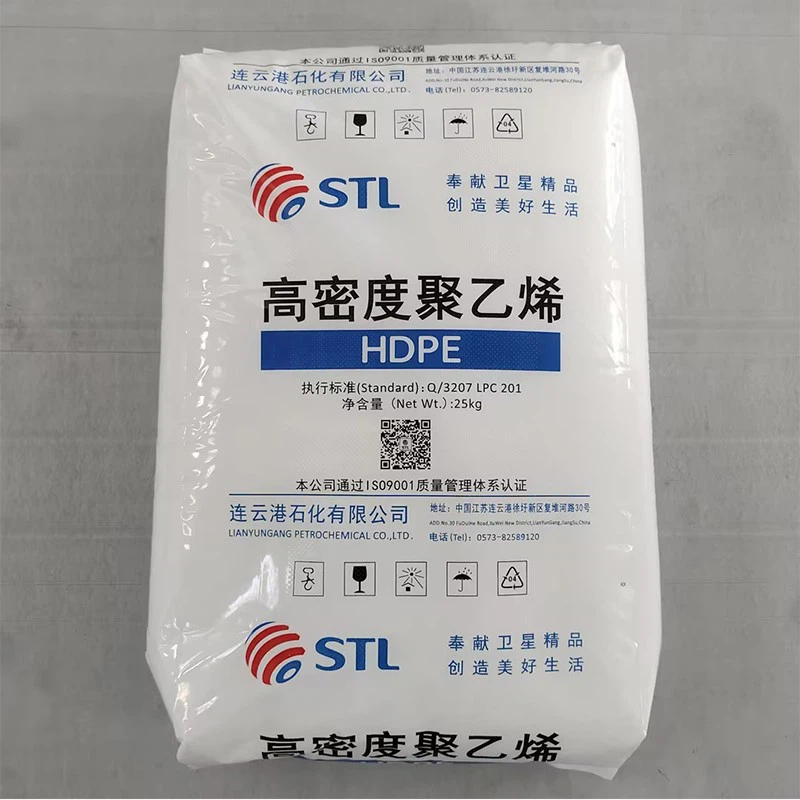
Filament 9002 - 88 - 4 has a wide range of applications. It's commonly used in Blow Molding 9002 - 88 - 4 processes to create various plastic products like bottles and containers. In the Film 9002 - 88 - 4 industry, it can be used to make plastic films for packaging and other purposes. And of course, in its filament form, it's used in 3D printing and other manufacturing processes as Filament 9002 - 88 - 4.

Safety Precautions
Even though the available data on LC50 values might be limited, it's always important to take safety precautions when handling Filament 9002 - 88 - 4.
- Ventilation: When processing the filament, especially if it involves heating or cutting that might release particles or fumes, make sure there is good ventilation. This helps to reduce the concentration of any potentially harmful substances in the air.
- Personal Protective Equipment (PPE): Wear appropriate PPE like gloves, masks, and safety glasses. Gloves can protect your hands from direct contact with the filament, and masks can prevent inhalation of particles.
- Storage: Store the filament in a cool, dry place away from sources of heat and ignition. This helps to prevent any chemical reactions or degradation that could increase its toxicity.
Conclusion
In conclusion, the LC50 values of Filament 9002 - 88 - 4 are complex and depend on many factors. While there isn't a lot of clear - cut data available, we can make some educated guesses based on the general properties of similar polymers.
If you're in the market for Filament 9002 - 88 - 4 for your industrial applications, whether it's for blow molding, film production, or 3D printing, I'm here as your supplier. I can provide you with high - quality Filament 9002 - 88 - 4 that meets your specific needs. If you're interested in learning more or starting a procurement negotiation, feel free to reach out. I'm more than happy to discuss the details with you and find the best solution for your business.
References
- Toxicology textbooks on polymer toxicity
- Industry reports on the use and safety of polyethylene - based products