

As a supplier of Film 9002 - 88 - 4, I've had the privilege of exploring the various aspects of this remarkable product. In this blog post, I'll delve into the biological effects of Film 9002 - 88 - 4, shedding light on its interactions with living organisms and the environment.
Chemical Composition and Properties of Film 9002 - 88 - 4
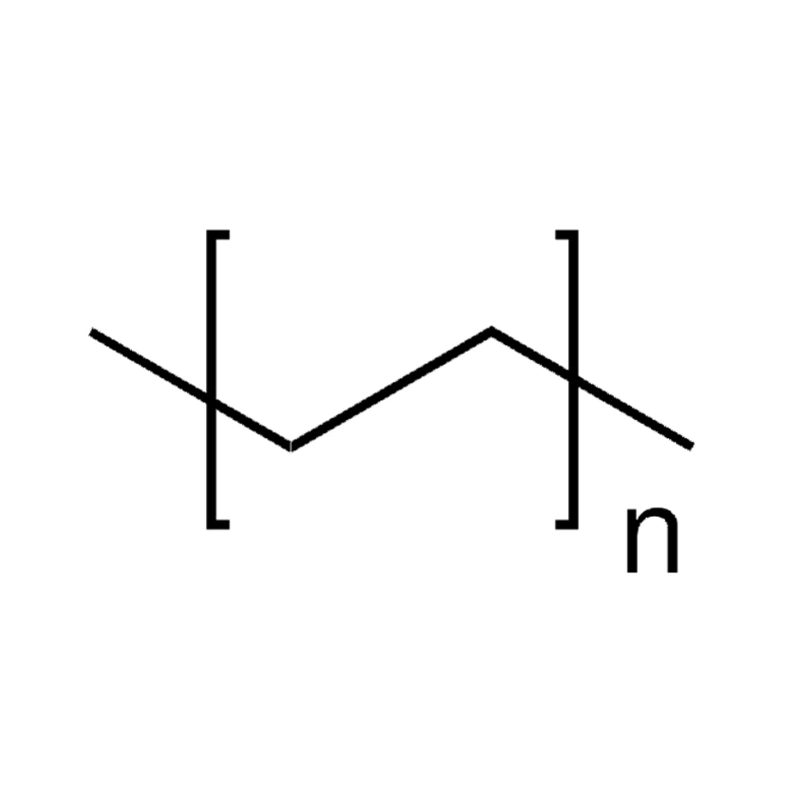
Film 9002 - 88 - 4 is a type of polyethylene product. Polyethylene is a widely used polymer that is composed of repeating ethylene units. It is known for its excellent physical properties such as high flexibility, good chemical resistance, and low water absorption. These properties make it suitable for a wide range of applications, including the production of Film 9002 - 88 - 4, Pipe 9002 - 88 - 4, and Filament 9002 - 88 - 4.
Biological Effects on Microorganisms
Microorganisms play a crucial role in the environment, and understanding how Film 9002 - 88 - 4 interacts with them is essential. In general, polyethylene is considered to be relatively inert to microorganisms. Due to its high molecular weight and stable chemical structure, it is not easily broken down by most bacteria and fungi.
However, over time, some specialized microorganisms may develop the ability to degrade polyethylene to a certain extent. This process is usually very slow and requires specific environmental conditions. For example, in landfill sites where there is a complex microbial community, some bacteria and fungi may start to break down the surface of polyethylene products. But the degradation rate is so slow that it may take decades or even centuries for significant degradation to occur.
In aquatic environments, Film 9002 - 88 - 4 may have an impact on the microbial community. It can provide a surface for the attachment of microorganisms, forming biofilms. These biofilms can change the local environment and affect the growth and activity of other organisms. For instance, the presence of polyethylene films may alter the nutrient availability and oxygen levels in the surrounding water, which in turn can influence the composition and function of the microbial community.
Effects on Plants
When it comes to plants, Film 9002 - 88 - 4 can have both direct and indirect effects. Directly, if the film comes into contact with plant roots, it may physically impede root growth. The film can act as a barrier, preventing roots from penetrating the soil and accessing nutrients and water. This can lead to stunted growth and reduced plant productivity.
Indirectly, as mentioned earlier, the presence of the film can affect the soil microbial community. Since plants rely on beneficial microorganisms in the soil for nutrient cycling and disease suppression, any disruption to the microbial community can have a negative impact on plant health. For example, if the film reduces the population of nitrogen - fixing bacteria in the soil, plants may experience nitrogen deficiency, which is essential for their growth and development.
On the other hand, in some agricultural applications, polyethylene films are used as mulches. When used properly, they can have positive effects on plants. They can help to conserve soil moisture, regulate soil temperature, and suppress weed growth. This can lead to improved plant growth and higher yields. However, it is important to manage the use of these films carefully to avoid long - term negative impacts on the soil ecosystem.
Impact on Animals
Animals can be affected by Film 9002 - 88 - 4 in several ways. In the wild, animals may mistake the film for food. For example, marine animals such as turtles and seabirds may ingest plastic films floating in the ocean. Once ingested, the film can cause blockages in the digestive tract, leading to starvation, internal injuries, and ultimately death.
In terrestrial environments, small mammals and insects may also encounter the film. It can entangle animals, restricting their movement and making them more vulnerable to predators. Additionally, the presence of the film in the environment can change the habitat structure, affecting the availability of shelter and food sources for animals.
Environmental Persistence and Accumulation
One of the most significant concerns regarding Film 9002 - 88 - 4 is its environmental persistence. As mentioned earlier, polyethylene is very resistant to degradation, which means that once it is released into the environment, it can persist for a long time. Over time, it can accumulate in the environment, especially in areas such as landfills, oceans, and riverbeds.
The accumulation of polyethylene films can have far - reaching consequences for the ecosystem. It can alter the physical and chemical properties of the environment, disrupt ecological processes, and threaten the survival of many species. For example, in the ocean, large amounts of plastic debris can form "garbage patches," which can have a profound impact on marine life.
Mitigation Strategies
To minimize the negative biological effects of Film 9002 - 88 - 4, several mitigation strategies can be implemented. Firstly, proper waste management is crucial. Recycling programs should be established to collect and process polyethylene films. By recycling, we can reduce the amount of new plastic production and the release of plastic waste into the environment.
Secondly, research should be conducted to develop more biodegradable alternatives to polyethylene. Scientists are currently working on developing polymers that can break down more quickly in the environment without causing harm to living organisms.
Finally, public awareness campaigns should be launched to educate people about the proper use and disposal of polyethylene products. By changing consumer behavior, we can reduce the amount of plastic waste generated and its impact on the environment.
Conclusion
In conclusion, Film 9002 - 88 - 4, as a polyethylene product, has a range of biological effects on microorganisms, plants, and animals. While it has many useful applications, its environmental persistence and potential negative impacts on the ecosystem cannot be ignored. As a supplier, I am committed to promoting the responsible use of our products and supporting efforts to minimize their environmental impact.

If you are interested in purchasing Film 9002 - 88 - 4, Pipe 9002 - 88 - 4, or Filament 9002 - 88 - 4, I encourage you to contact us for further discussions on how we can meet your specific needs while also considering environmental sustainability.
References
- Andrady, A. L. (2011). Microbial degradation of plastics: A comprehensive review. Biotechnology Advances, 29(2), 243 - 254.
- Rillig, M. C., & Bonkowski, M. (2018). Impacts of microplastics on ecosystems and their functions. Current Biology, 28(10), R477 - R479.
- Thompson, R. C., Swan, S. H., Moore, C. J., & vom Saal, F. S. (2009). Plastics, the environment and human health: Current consensus and future trends. Philosophical Transactions of the Royal Society B: Biological Sciences, 364(1526), 2153 - 2166.