

Ethanolamine, a class of organic compounds with a wide range of applications, has become an indispensable ingredient in pharmaceutical formulations. As a reliable ethanolamine supplier, we are committed to providing high - quality products and in - depth knowledge about their uses in the pharmaceutical industry. This blog will explore the various applications of ethanolamine in pharmaceutical formulations.
Solubilizing Agent
One of the primary roles of ethanolamine in pharmaceutical formulations is as a solubilizing agent. Many active pharmaceutical ingredients (APIs) have poor solubility in water, which can significantly affect their bioavailability and therapeutic efficacy. Ethanolamine can form complexes with these poorly soluble APIs, increasing their solubility in aqueous solutions.
Mono Ethanolamine (MEA, Mono Ethanolamine 141 - 43 - 5) is often used in this regard. Its basic nature allows it to react with acidic APIs to form salts, which are generally more soluble in water. For example, in the formulation of certain non - steroidal anti - inflammatory drugs (NSAIDs) that are acidic in nature, MEA can be used to improve their solubility. By forming a salt with the NSAID, the drug can be more easily incorporated into aqueous - based formulations such as oral solutions or injectables.
Di Ethanolamine (DEA, Di Ethanolamine 111 - 42 - 2) also serves as an effective solubilizing agent. It has a higher molecular weight and more hydrophilic groups compared to MEA, which can enhance its ability to interact with both polar and non - polar molecules. In some cases, DEA can be used to solubilize lipid - soluble drugs in water - based systems, enabling the development of more patient - friendly formulations.
pH Adjuster
Maintaining the appropriate pH of a pharmaceutical formulation is crucial for the stability, solubility, and efficacy of the API. Ethanolamines are commonly used as pH adjusters in pharmaceutical products.
Tri Ethanolamine (TEA, Tri Ethanolamine 102 - 71 - 6) is a popular choice for pH adjustment. It is a weak base that can be used to increase the pH of acidic formulations. In topical formulations such as creams and lotions, the pH needs to be carefully controlled to ensure the stability of the active ingredients and the compatibility with the skin. TEA can be added to adjust the pH to a range that is optimal for the activity of the API and the comfort of the patient.
In parenteral formulations, pH adjustment is even more critical. Incorrect pH can lead to precipitation of the API, reduced stability, and potential adverse reactions. Ethanolamines can be used to fine - tune the pH of injectable solutions to ensure their safety and efficacy. For example, in the formulation of vaccines, the pH of the solution must be maintained within a narrow range to preserve the activity of the antigens. TEA or MEA can be used to achieve this precise pH control.
Emulsifying Agent
Ethanolamines can act as emulsifying agents in pharmaceutical emulsions. Emulsions are mixtures of two immiscible liquids, typically oil and water, where one liquid is dispersed as small droplets in the other. In pharmaceutical applications, emulsions can be used to deliver lipophilic drugs or to improve the stability and palatability of formulations.
DEA and TEA can be used to form emulsions by reducing the surface tension between the oil and water phases. They can adsorb at the interface between the two phases, forming a protective layer around the oil droplets and preventing them from coalescing. For example, in the formulation of oil - in - water (O/W) emulsions used for topical delivery of drugs, ethanolamines can help to create a stable and homogeneous emulsion. This ensures that the drug is evenly distributed throughout the formulation and can be effectively delivered to the target site.
Buffering Agent
Buffering agents are used in pharmaceutical formulations to maintain a stable pH in the presence of acids or bases. Ethanolamines can function as buffering agents due to their ability to resist changes in pH.
MEA can form buffer systems with its conjugate acid. In a pharmaceutical formulation, this buffer system can help to maintain the pH within a specific range, even when small amounts of acidic or basic substances are introduced. This is particularly important in formulations that are exposed to the physiological environment, where changes in pH can occur due to the presence of body fluids or other substances.
Chelating Agent
Some ethanolamines can act as chelating agents. Chelating agents have the ability to bind to metal ions, forming stable complexes. In pharmaceutical formulations, metal ions can catalyze the degradation of APIs, leading to reduced stability and efficacy.
TEA can chelate metal ions such as iron, copper, and zinc. By binding to these metal ions, TEA can prevent them from participating in oxidation or other degradation reactions of the API. This is especially important in formulations that are sensitive to oxidation, such as those containing unsaturated fatty acids or certain vitamins.
Preservative Enhancer
Ethanolamines can also enhance the effectiveness of preservatives in pharmaceutical formulations. Preservatives are used to prevent the growth of microorganisms in pharmaceutical products, ensuring their safety and shelf - life.
In some cases, ethanolamines can interact with preservatives to improve their antimicrobial activity. For example, they can help to increase the solubility of preservatives in the formulation, allowing them to be more evenly distributed and more effectively inhibit the growth of microorganisms.
Conclusion
Ethanolamines play a diverse and crucial role in pharmaceutical formulations. From solubilizing poorly soluble APIs to adjusting pH, acting as emulsifying and buffering agents, chelating metal ions, and enhancing the effectiveness of preservatives, their applications are extensive and essential for the development of safe and effective pharmaceutical products.
As a leading ethanolamine supplier, we understand the importance of providing high - quality products that meet the strict requirements of the pharmaceutical industry. Our ethanolamines are produced with the highest standards of quality control, ensuring their purity, stability, and suitability for pharmaceutical applications.

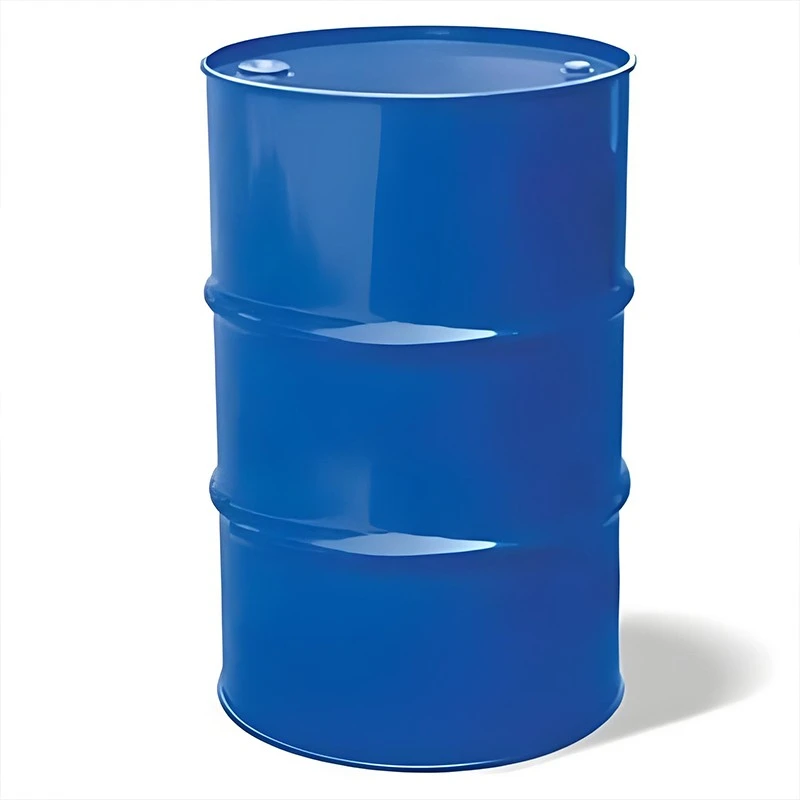
If you are involved in the pharmaceutical industry and are looking for a reliable source of ethanolamines for your formulations, we invite you to contact us for procurement and further discussions. Our team of experts is ready to assist you in choosing the right ethanolamine product for your specific needs and to provide you with technical support and guidance.
References
- Allen, L. V., Popovich, N. G., & Ansel, H. C. (2014). Ansel's Pharmaceutical Dosage Forms and Drug Delivery Systems. Lippincott Williams & Wilkins.
- Remington: The Science and Practice of Pharmacy. (2020). Pharmaceutical Press.
- Lachman, L., Lieberman, H. A., & Kanig, J. L. (1986). The Theory and Practice of Industrial Pharmacy. Lea & Febiger.