

Acrylic acid, with the CAS number 79 - 10 - 7, is a versatile and widely - used chemical compound. As a supplier of Acrylic Acid 79 - 10 - 7, I have witnessed its diverse applications across various industries. One area where it has shown significant potential is in leather - tanning agents. In this blog, we will explore the different applications of Acrylic Acid 79 - 10 - 7 in leather - tanning agents.
I. Basic Properties of Acrylic Acid 79 - 10 - 7
Acrylic acid is a clear, colorless liquid with a characteristic pungent odor. It is highly reactive due to the presence of a double bond in its structure and a carboxylic acid group. These chemical features make it an excellent candidate for various chemical reactions and applications. It has good solubility in water, alcohol, and ether, which facilitates its use in different formulations. For more information about Acrylic Acid 79 - 10 - 7, you can visit Acrylic Acid Glacial(GAA) 79-10-7.
II. Applications in Leather - Tanning Agents
A. As a Cross - Linking Agent
In leather tanning, cross - linking is a crucial process that helps to improve the physical properties of leather, such as its strength, durability, and resistance to heat and chemicals. Acrylic acid can react with various functional groups present in leather fibers, such as amino groups. When acrylic acid is used as a cross - linking agent, it forms covalent bonds between different leather fibers. This cross - linking network enhances the structural integrity of the leather. For example, in the production of high - quality leather products like luxury handbags and fine - leather shoes, the use of acrylic acid as a cross - linking agent can ensure that the leather maintains its shape and quality over a long period.

B. In Leather Coating Formulations
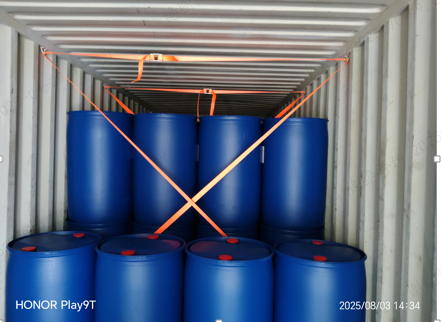
Leather coatings are used to enhance the appearance, water resistance, and abrasion resistance of leather. Acrylic acid can be polymerized to form acrylic polymers, which are widely used in leather coating formulations. These polymers can be applied as a thin film on the surface of the leather. The acrylic polymers derived from acrylic acid have excellent adhesion to the leather surface, providing a smooth and shiny finish. They also offer good flexibility, which is important as leather needs to be able to bend and stretch without cracking the coating. Moreover, these coatings can be formulated to be resistant to UV radiation, preventing the leather from fading over time. You can find more details about our acrylic acid products suitable for such applications at Acrylic Acid For 20GP With Drums And Pallets.
C. As a Retanning Agent
Retanning is a secondary tanning process that is carried out after the primary tanning to further improve the properties of leather. Acrylic acid - based retanning agents can penetrate into the leather structure and modify its physical and chemical properties. They can help to fill the pores in the leather, making it more compact and reducing its water absorption. This is particularly important for leather used in outdoor products, such as saddles and outdoor furniture, where water resistance is a key requirement. Additionally, acrylic acid - based retanning agents can enhance the softness and fullness of the leather, giving it a more luxurious feel.
D. Improving Dye Uptake
In the leather - dyeing process, acrylic acid can play a role in improving the dye uptake of leather. The carboxylic acid group in acrylic acid can interact with the dye molecules and the leather fibers. It can create a more favorable environment for the dye to bind to the leather, resulting in more intense and uniform coloration. This is beneficial for leather products that require a high - quality and consistent color, such as fashion leather garments. By using acrylic acid in the dyeing process, leather manufacturers can achieve better color fastness and reduce the amount of dye needed, which is also more environmentally friendly.
III. Advantages of Using Acrylic Acid 79 - 10 - 7 in Leather - Tanning Agents
A. Environmental Friendliness
Compared to some traditional leather - tanning agents, acrylic acid - based products are relatively more environmentally friendly. Acrylic acid can be formulated to be biodegradable or have a lower environmental impact. For example, the acrylic polymers used in leather coatings can be designed to have a low volatile organic compound (VOC) content, which reduces air pollution during the leather - processing and product - use stages.
B. Cost - Effectiveness
Acrylic acid is relatively inexpensive compared to some other high - performance chemicals used in leather tanning. Its wide availability and ease of processing make it a cost - effective choice for leather manufacturers. By using acrylic acid in leather - tanning agents, manufacturers can achieve good quality leather products at a lower cost, which is beneficial for both the producers and the consumers.
C. Customizability
The chemical reactivity of acrylic acid allows for a high degree of customizability. Leather manufacturers can adjust the properties of acrylic acid - based tanning agents according to their specific requirements. For example, they can control the degree of cross - linking, the thickness of the coating, and the dye - enhancing effect by modifying the formulation of acrylic acid - containing products.
IV. Quality Control and Supply Assurance
As a supplier of GAA 79-10-7, we understand the importance of quality control in the leather - tanning industry. We have a strict quality - control system in place to ensure that our acrylic acid products meet the highest standards. Our products are tested for purity, chemical composition, and physical properties before they are shipped to our customers. We also have a reliable supply chain, which ensures that we can meet the large - scale and continuous demand of leather manufacturers.
V. Conclusion and Call to Action
In conclusion, acrylic acid 79 - 10 - 7 has a wide range of applications in leather - tanning agents, including cross - linking, coating, retanning, and improving dye uptake. Its advantages in terms of environmental friendliness, cost - effectiveness, and customizability make it an attractive choice for the leather - processing industry. If you are a leather manufacturer looking for high - quality acrylic acid products for your tanning agents, we are here to provide you with the best solutions. Contact us to start a procurement negotiation and explore how our acrylic acid products can enhance the quality and performance of your leather products.
References
- "Leather Science and Technology" by John H. Sharphouse.
- "Acrylic Polymers in Coating Applications" by R. A. Wessling.
- Research papers on the application of acrylic acid in leather tanning from relevant chemical and leather - technology journals.