

In the dynamic world of manufacturing, the precision of products is a critical factor that can significantly impact a company's competitiveness. As a supplier of Blow Molding 9002 - 88 - 4 products, I understand the importance of achieving high precision in the blow - molding process. This blog post will delve into various strategies and techniques that can be employed to enhance the precision of Blow Molding 9002 - 88 - 4 products.
Understanding Blow Molding 9002 - 88 - 4
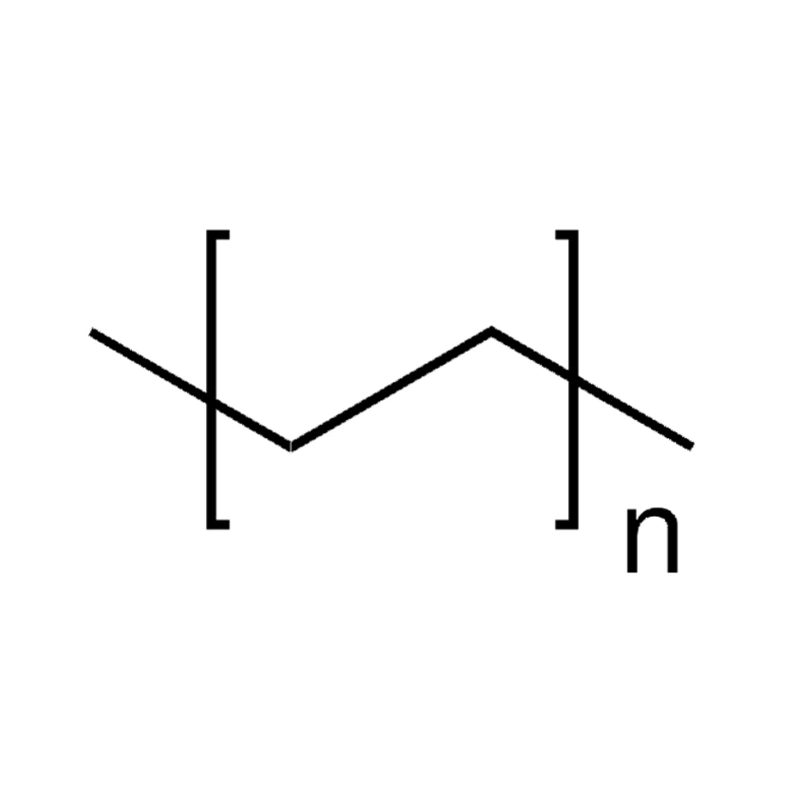
Before we discuss how to improve precision, it's essential to have a clear understanding of Blow Molding 9002 - 88 - 4. Blow molding is a manufacturing process used to create hollow plastic parts. The 9002 - 88 - 4 specification likely refers to a particular grade or type of material used in this process. Blow Molding 9002 - 88 - 4 products are widely used in various industries, such as packaging, automotive, and consumer goods.
The precision of these products is crucial as it directly affects their functionality, aesthetics, and compatibility with other components. For example, in the packaging industry, precise blow - molded containers ensure proper sealing and protection of the contents. In the automotive sector, accurate parts are necessary for seamless integration into the vehicle's systems.
Factors Affecting Precision in Blow Molding
Several factors can influence the precision of Blow Molding 9002 - 88 - 4 products. Understanding these factors is the first step towards improving precision.
Material Properties
The properties of the Blow Molding 9002 - 88 - 4 material play a significant role in the precision of the final product. Factors such as melt flow index, density, and viscosity can affect how the material behaves during the blow - molding process. For instance, a material with a high melt flow index may flow more easily, but it can also lead to issues such as sagging or uneven wall thickness if not properly controlled.
To ensure precision, it is essential to select the right grade of Blow Molding 9002 - 88 - 4 material that meets the specific requirements of the product. Conducting thorough material testing and analysis can help in making an informed decision. Additionally, maintaining consistent material quality is crucial. Variations in material properties can lead to inconsistent product dimensions and quality.
Mold Design
The design of the mold is another critical factor in achieving precision. A well - designed mold can ensure uniform wall thickness, proper shape, and accurate dimensions of the blow - molded product. The mold should be designed to accommodate the flow characteristics of the Blow Molding 9002 - 88 - 4 material and the specific requirements of the product.
For example, the gate location in the mold can significantly affect the flow of the material. An improper gate location can lead to weld lines, air traps, or uneven filling, resulting in poor precision. The cooling channels in the mold also play a vital role. Efficient cooling helps in solidifying the material quickly and evenly, reducing the chances of warping or shrinkage.
Process Parameters
The blow - molding process involves several parameters that need to be carefully controlled to achieve precision. These parameters include temperature, pressure, blow ratio, and cycle time.
Temperature control is crucial as it affects the viscosity of the material. If the temperature is too high, the material may become too thin, leading to sagging or flashing. On the other hand, if the temperature is too low, the material may not flow properly, resulting in incomplete filling or thick - walled areas.
Pressure is another important parameter. Adequate pressure is required to ensure that the material fills the mold completely and takes on the desired shape. However, excessive pressure can cause the material to burst or distort the mold.
The blow ratio, which is the ratio of the final part diameter to the parison diameter, also affects precision. A high blow ratio can lead to thin - walled areas and reduced strength, while a low blow ratio may result in thick - walled parts and increased material usage.
Cycle time is the time taken to complete one blow - molding cycle. A consistent cycle time is necessary to ensure uniform product quality. Variations in cycle time can lead to differences in cooling rates and material shrinkage, affecting the precision of the product.
Strategies to Improve Precision
Material Management
As mentioned earlier, material properties are crucial for precision. To manage the material effectively, it is recommended to work closely with the material supplier. The supplier can provide detailed information about the material's properties and offer guidance on proper handling and storage.
Implementing a strict incoming material inspection process can help in ensuring that the Blow Molding 9002 - 88 - 4 material meets the required specifications. This includes testing for properties such as melt flow index, density, and moisture content. Additionally, storing the material in a controlled environment can prevent moisture absorption and other environmental factors from affecting its properties.

Advanced Mold Technology
Investing in advanced mold technology can significantly improve the precision of Blow Molding 9002 - 88 - 4 products. Computer - aided design (CAD) and computer - aided manufacturing (CAM) techniques can be used to design and manufacture molds with high precision.
CAD software allows for detailed 3D modeling of the mold, enabling engineers to optimize the design for uniform wall thickness, proper gate location, and efficient cooling. CAM technology can then be used to manufacture the mold with high accuracy, ensuring that the final product meets the design specifications.
Some molds are also equipped with sensors that can monitor various parameters during the blow - molding process, such as temperature, pressure, and wall thickness. This real - time data can be used to make adjustments to the process parameters, ensuring consistent precision.
Process Optimization
Optimizing the blow - molding process is essential for improving precision. This can be achieved through a combination of trial - and - error, process monitoring, and statistical process control (SPC).
Trial - and - error involves running multiple test cycles with different process parameters to determine the optimal settings. This can be time - consuming but is often necessary to fine - tune the process.
Process monitoring involves continuously monitoring the key process parameters during production. This can be done using sensors and control systems. If any deviations from the set parameters are detected, immediate adjustments can be made to ensure consistent precision.
SPC is a statistical method used to analyze process data and identify trends and variations. By collecting and analyzing data on product dimensions, wall thickness, and other quality characteristics, SPC can help in detecting potential issues before they result in defective products. This allows for proactive process improvement and better precision control.
Quality Control
Implementing a comprehensive quality control system is essential for ensuring the precision of Blow Molding 9002 - 88 - 4 products. This includes both in - process inspection and final product inspection.
In - process inspection involves checking the product at various stages of the blow - molding process. This can help in detecting any issues early on and taking corrective actions immediately. For example, inspecting the parison before blowing can ensure that it has the correct dimensions and shape.
Final product inspection involves measuring the dimensions, wall thickness, and other quality characteristics of the finished product. This can be done using various measuring tools, such as calipers, micrometers, and coordinate measuring machines (CMMs). Any products that do not meet the required specifications should be rejected or reworked.
Case Studies
To illustrate the effectiveness of these strategies, let's look at a few case studies.
In a packaging company, they were facing issues with the precision of their blow - molded bottles made from Blow Molding 9002 - 88 - 4. The bottles had inconsistent wall thickness, which affected their sealing performance. By implementing a strict material inspection process and optimizing the process parameters, they were able to reduce the variation in wall thickness by 30%. This resulted in improved sealing and reduced product rejection rates.
Another example is an automotive parts manufacturer. They were producing blow - molded air ducts using Blow Molding 9002 - 88 - 4. The ducts had problems with warping and dimensional accuracy. By investing in advanced mold technology with better cooling channels and using SPC to monitor the process, they were able to improve the dimensional accuracy of the ducts by 20%. This led to better integration with the vehicle's air - intake system and increased customer satisfaction.
Conclusion
Improving the precision of Blow Molding 9002 - 88 - 4 products requires a comprehensive approach that addresses material properties, mold design, process parameters, and quality control. By implementing the strategies discussed in this blog post, manufacturers can achieve higher precision, better product quality, and increased competitiveness in the market.
If you are interested in our Blow Molding 9002 - 88 - 4 products or have any questions about improving precision in blow - molding, we welcome you to contact us for procurement discussions. We are committed to providing high - quality products and technical support to meet your specific needs.
References
- "Plastics Blow Molding: Science and Technology" by Norman C. Lee.
- "Handbook of Plastic Materials and Technology" edited by Irving I. Rubin.
- Industry research reports on blow - molding processes and materials.